33 posts tagged with "Insights"
How we think about the problems behind application and AI agent security.
View All TagsDwaar Blog
November 2026
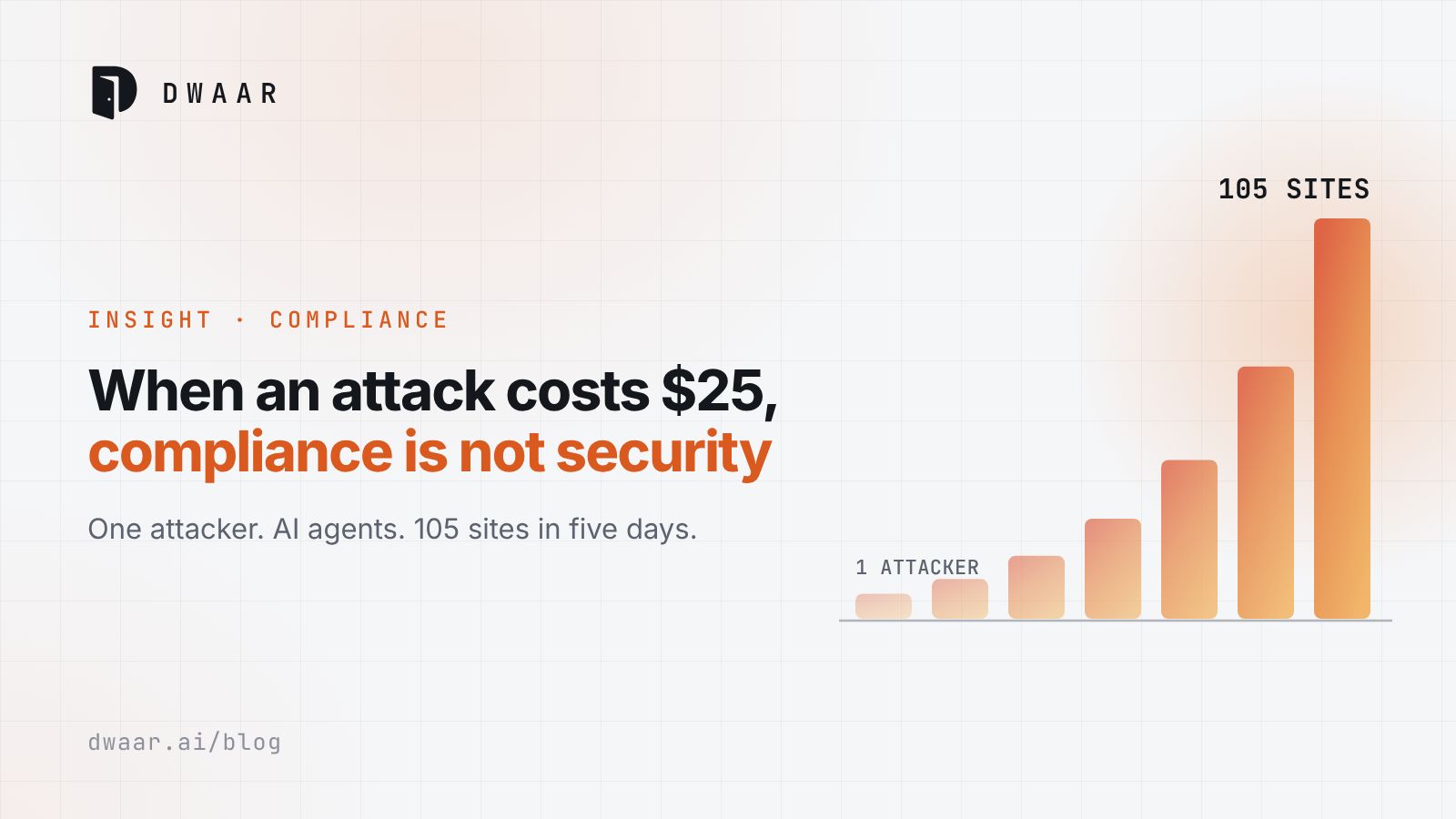
When an Attack Costs $25, Compliance Is Not a Security Program
One attacker used AI agents to hit 105 retailers for $25.46 a company. A lab agent took a domain in eight minutes for $12. Cheap attacks change who gets targeted, and a passed audit does not change the answer.
 Ankush K · 6 min read
Trusting a Leading Agentic Harness Does Not Guarantee the Security of Your Application
Claude Code's "don't ask again" file put 1,379 secrets into 1,122 public GitHub copies. The harness did try to protect them. The lesson is that the control you rely on has to live outside the agent, and across every team.
Ankush K · 8 min read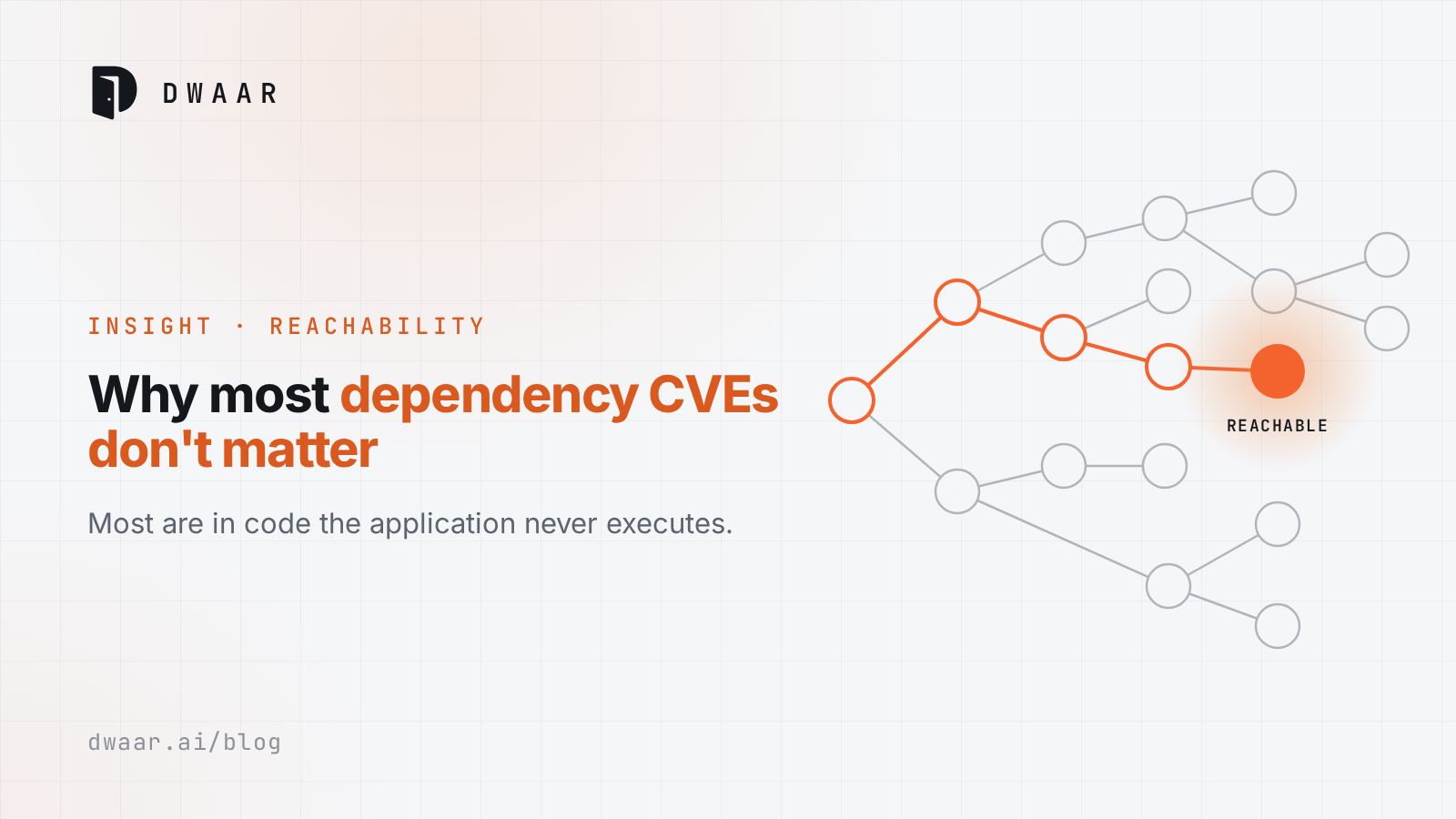
Reachability Analysis: Why Most Dependency CVEs Don't Matter, and How to Prove It
Most of the CVEs a dependency scanner reports are in code the application never executes. How reachability analysis proves it, what the research measures, and where static call graphs fail.
Ankush K · 17 min readOctober 2026
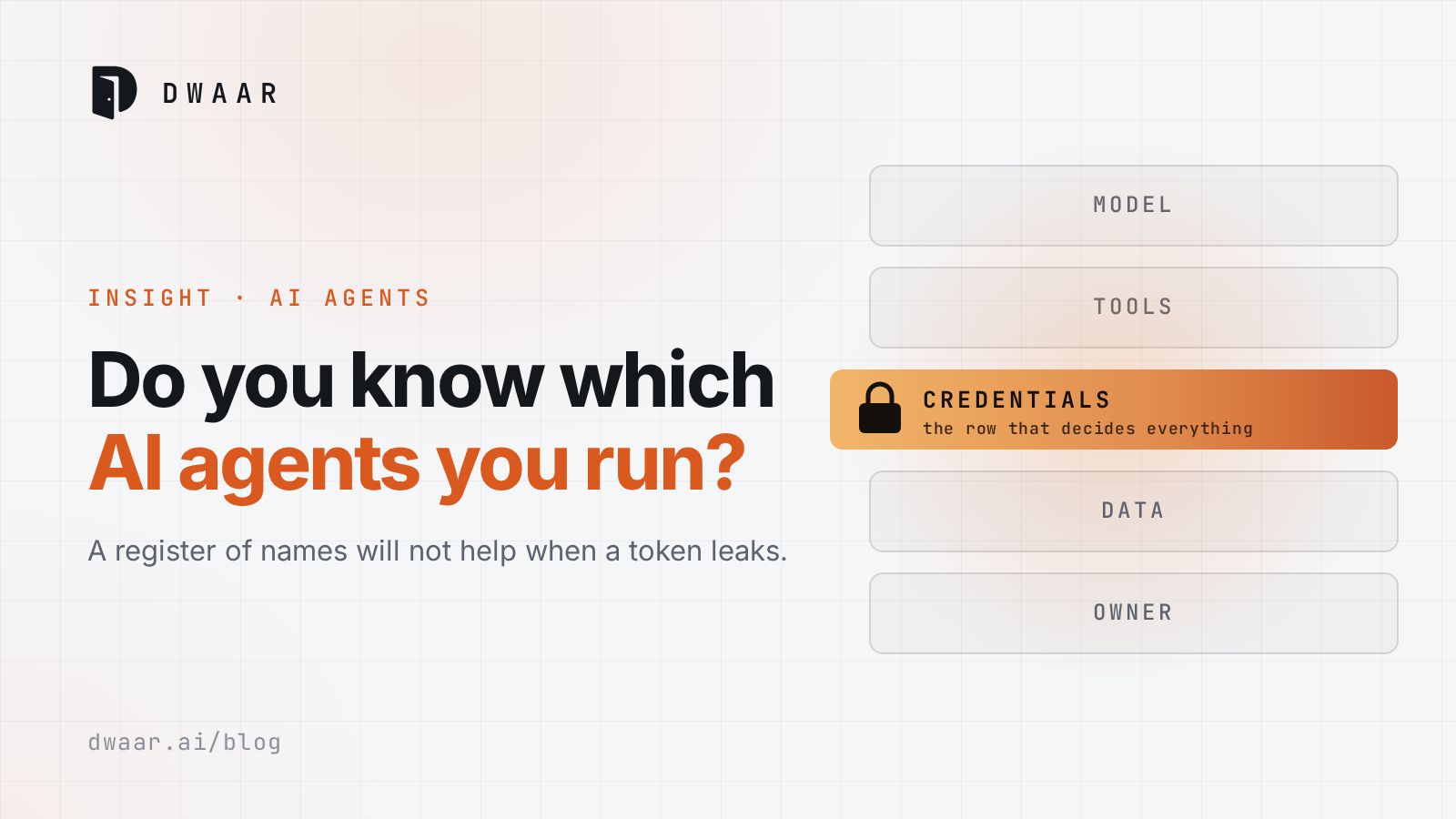
Do You Know Which AI Agents You Run?
A register of agent names will not help when a token leaks. What to record for each agent, from MCP servers to credentials, where to look, and where the case for an inventory stops.
Ankush K · 9 min read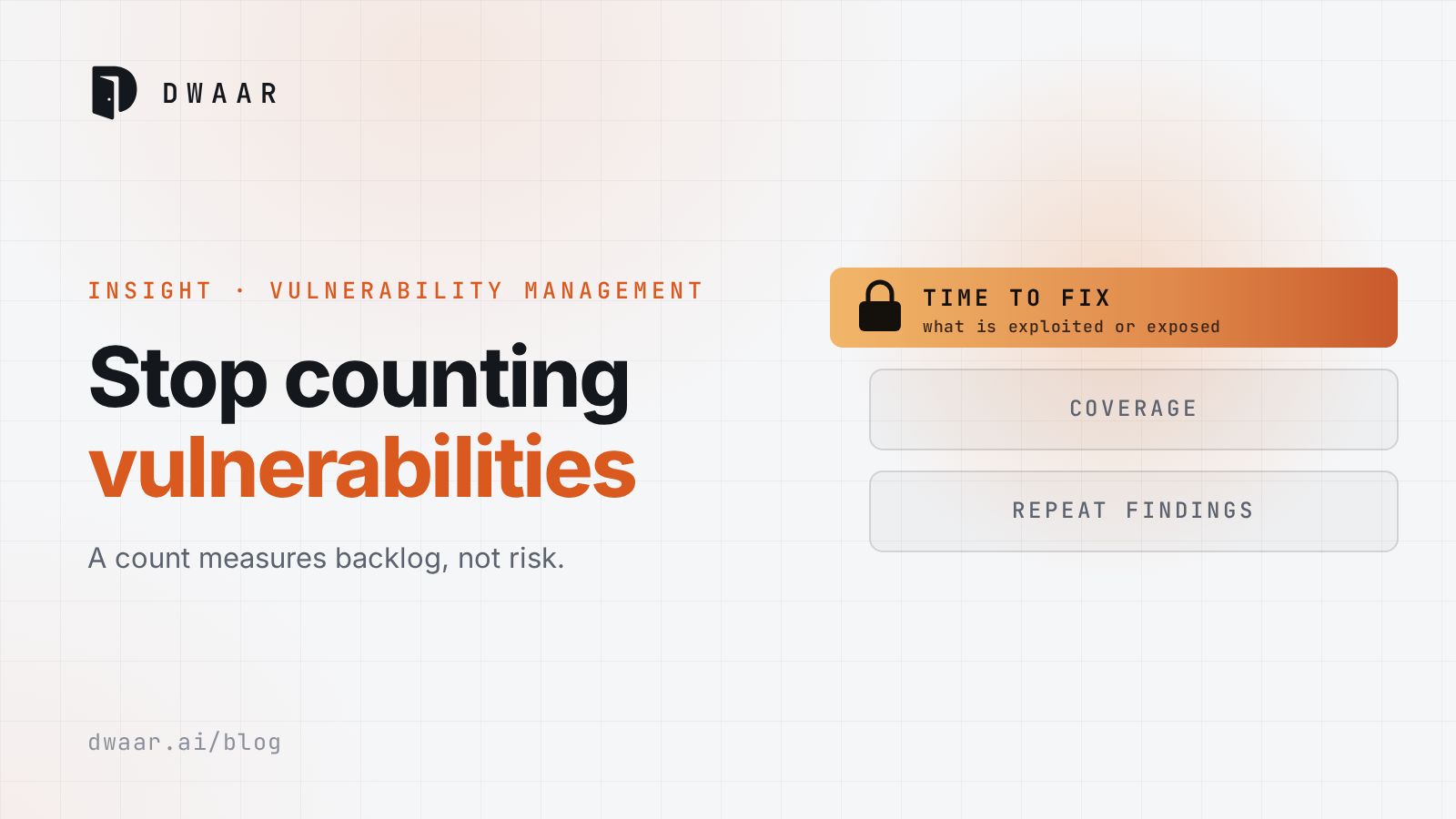
Stop Counting Vulnerabilities
A count of open findings measures backlog, not risk. Measure time to fix what is exploited or exposed, coverage of what you own and repeat findings, and know how each gets gamed.
Ankush K · 9 min read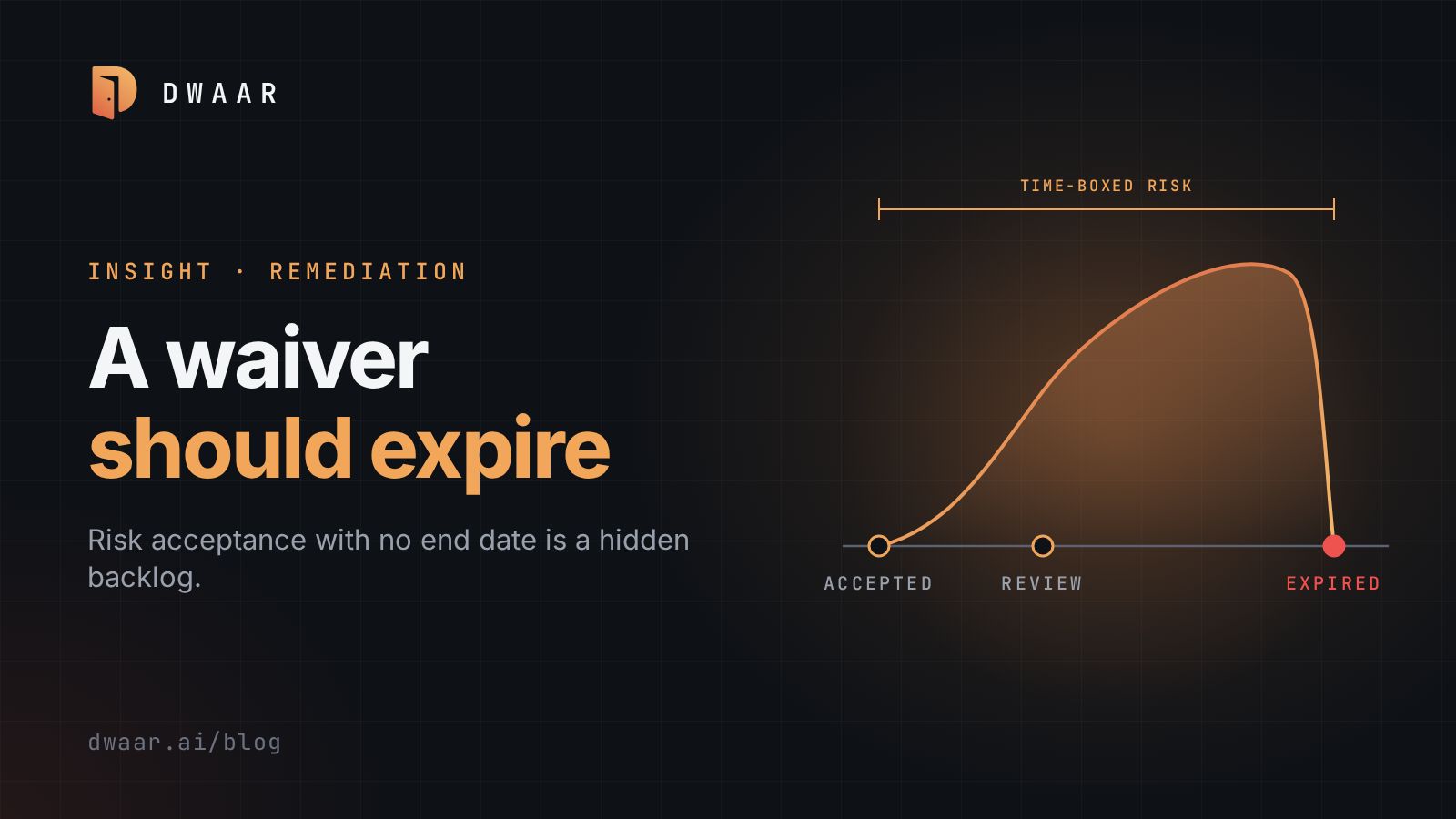
A Waiver Should Expire
Risk acceptance with no end date is a hidden backlog. What a waiver should record, what should reopen it, and why suppressing noise is a different decision.
Ankush K · 8 min readSeptember 2026
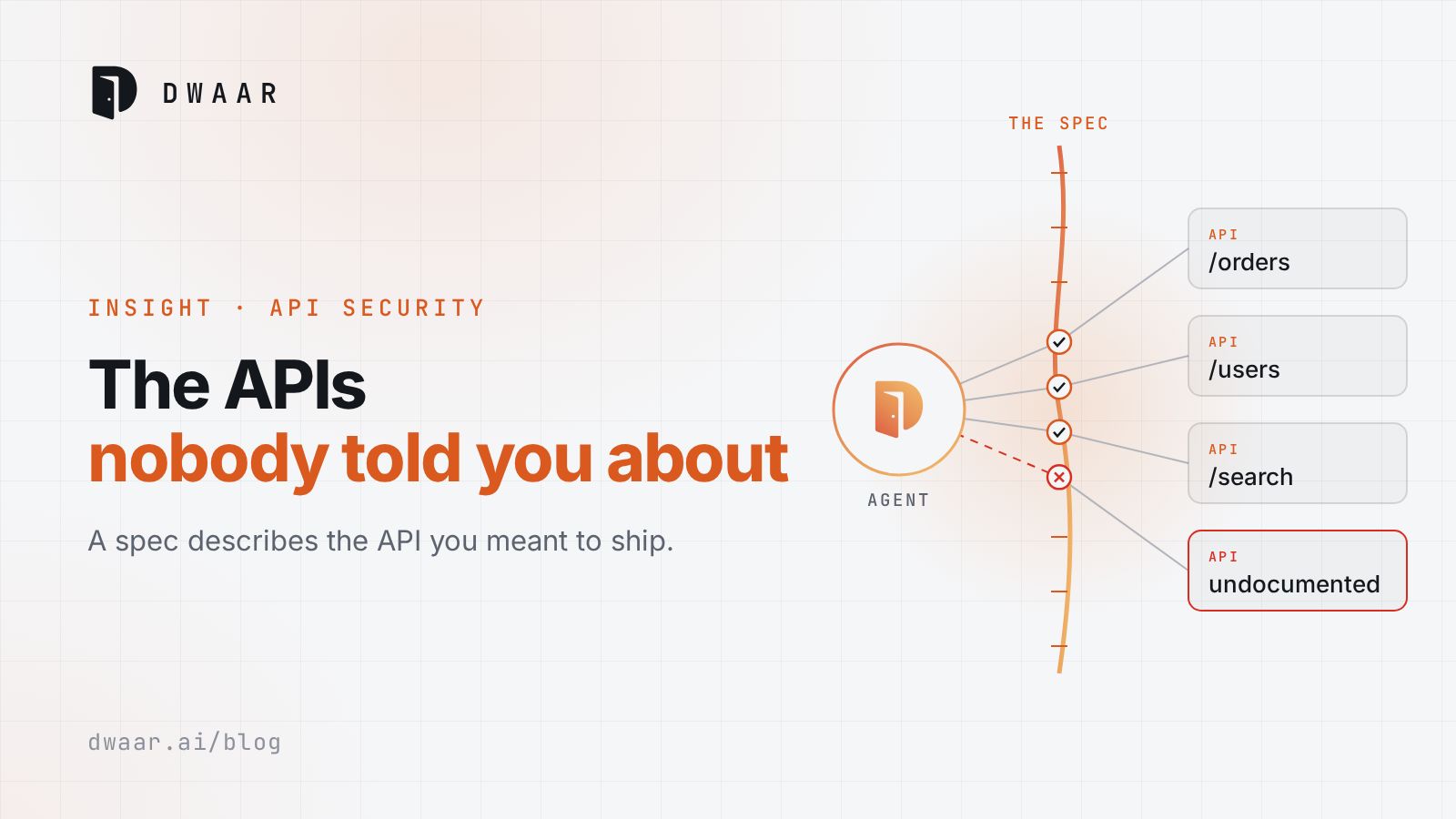
The APIs Nobody Told You About
A spec describes the API you meant to ship. Why OWASP's API9 inventory gaps and API1 broken object level authorization stay invisible when you only match known CVEs.
Ankush K · 7 min read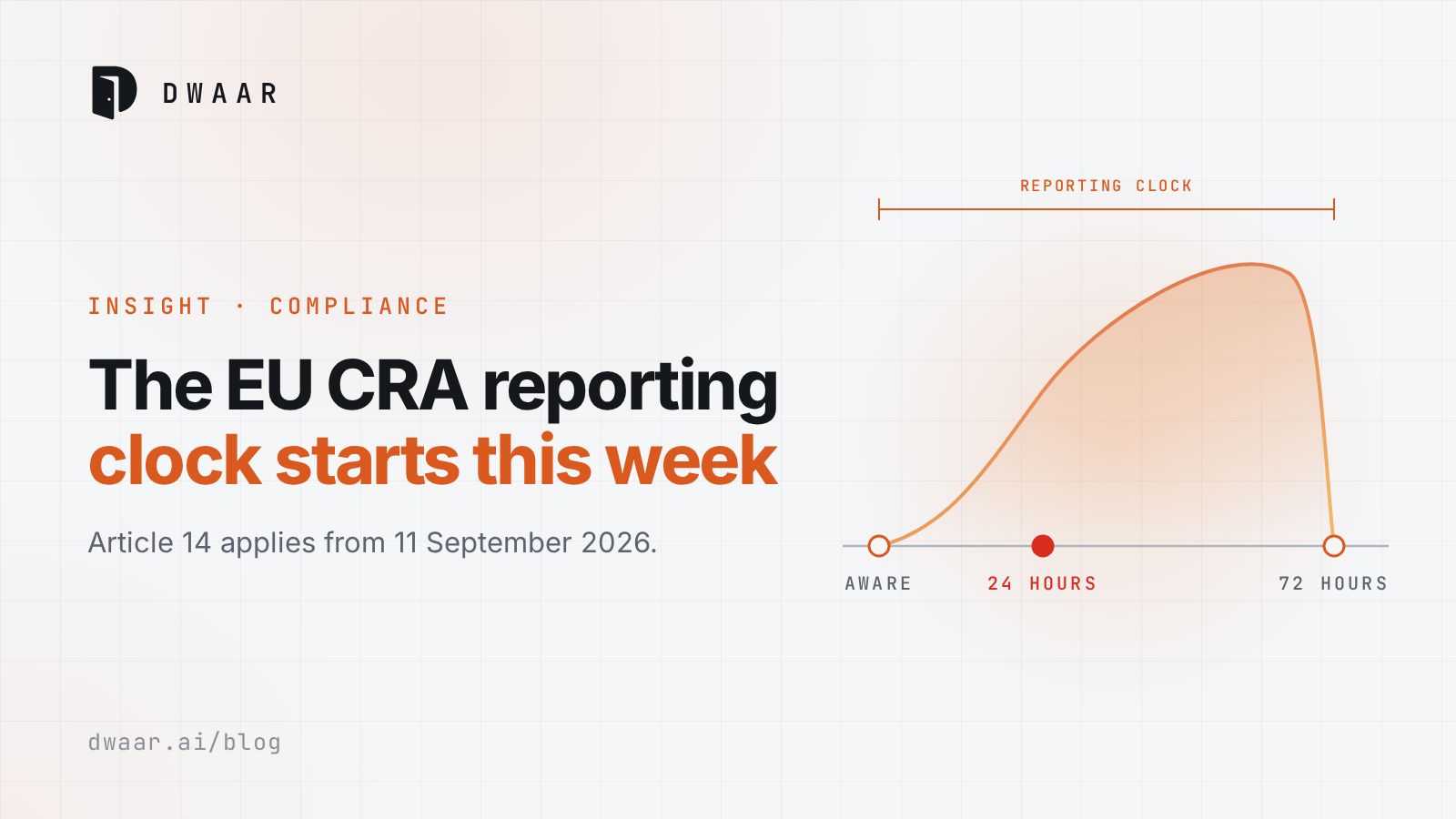
The EU Cyber Resilience Act Reporting Clock Starts This Week
Article 14 of the CRA applies from 11 September 2026, with a 24-hour early warning for actively exploited vulnerabilities. What it asks of manufacturers, and what filing on time does not prove.
Ankush K · 10 min read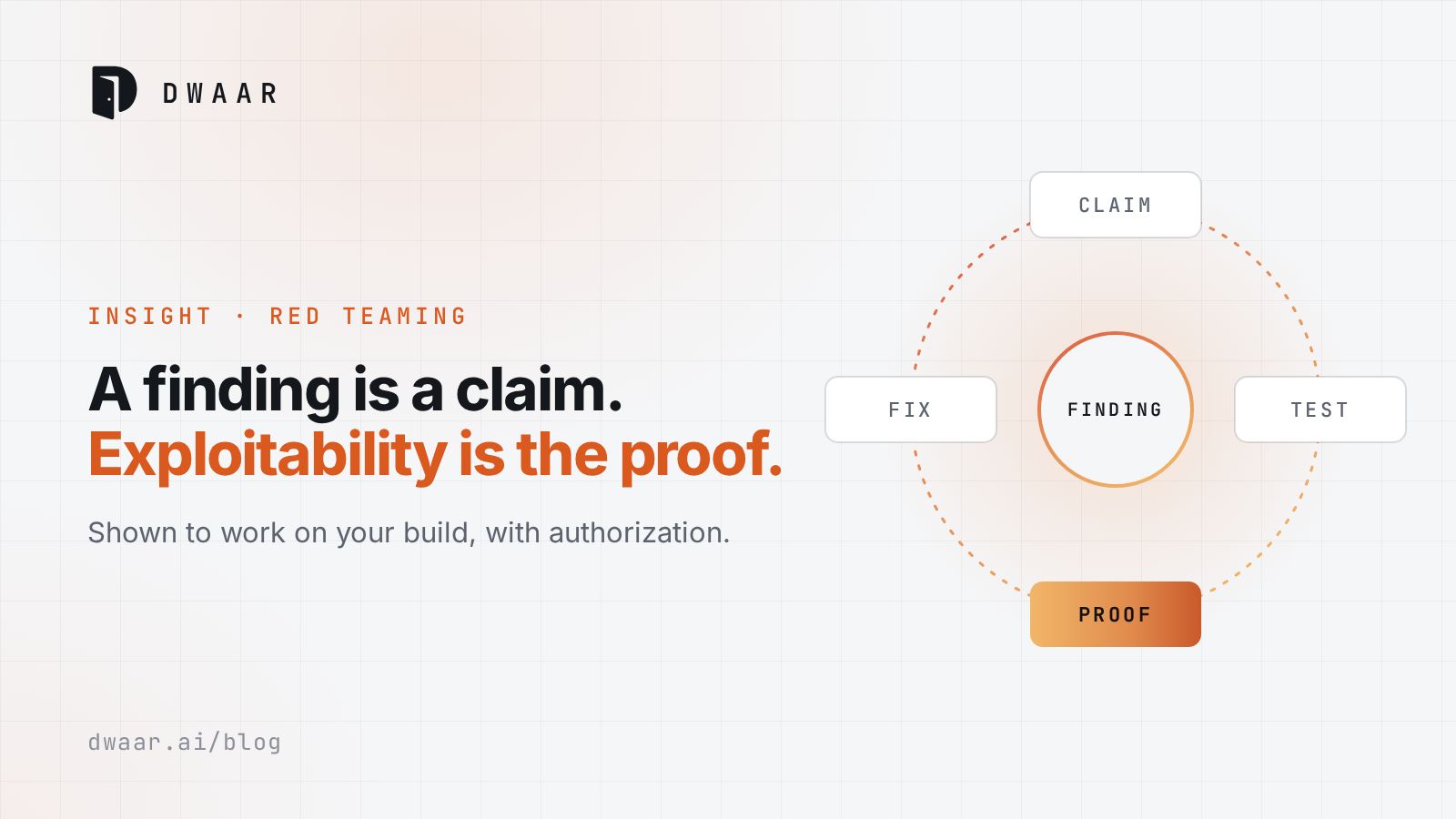
A Finding Is a Claim. Exploitability Is the Proof.
A scanner finding says a flaw may apply. A demonstrated exploit shows it works on your build. What counts as proof, how to test with authorization, and why a failed attempt proves little.
Ankush K · 9 min readAugust 2026
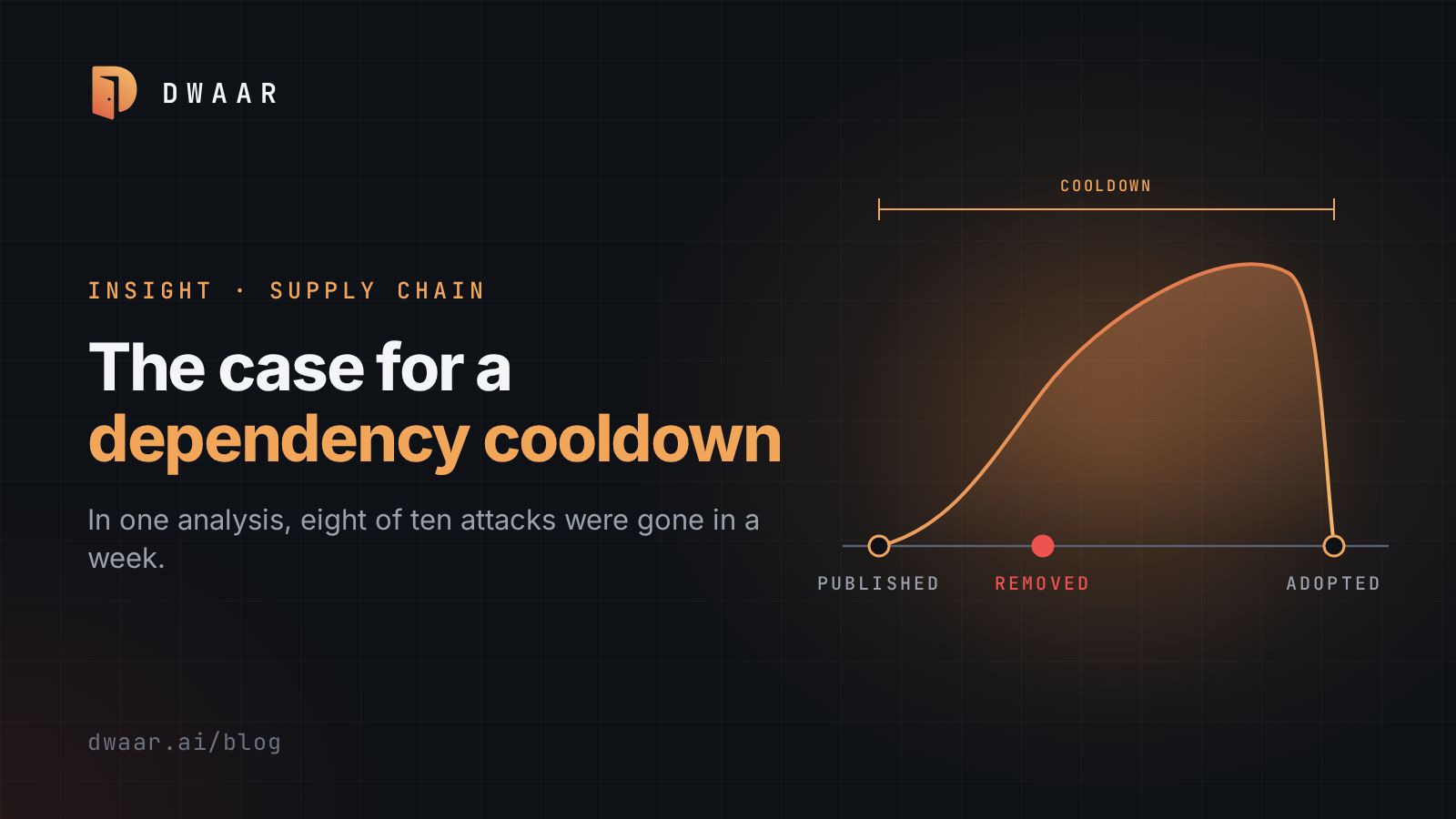
The Case for a Dependency Cooldown
In one analysis of ten supply chain attacks, eight were removed in under a week. Why waiting before adopting a new version works, where it fails, and how to exempt security fixes.
Ankush K · 9 min read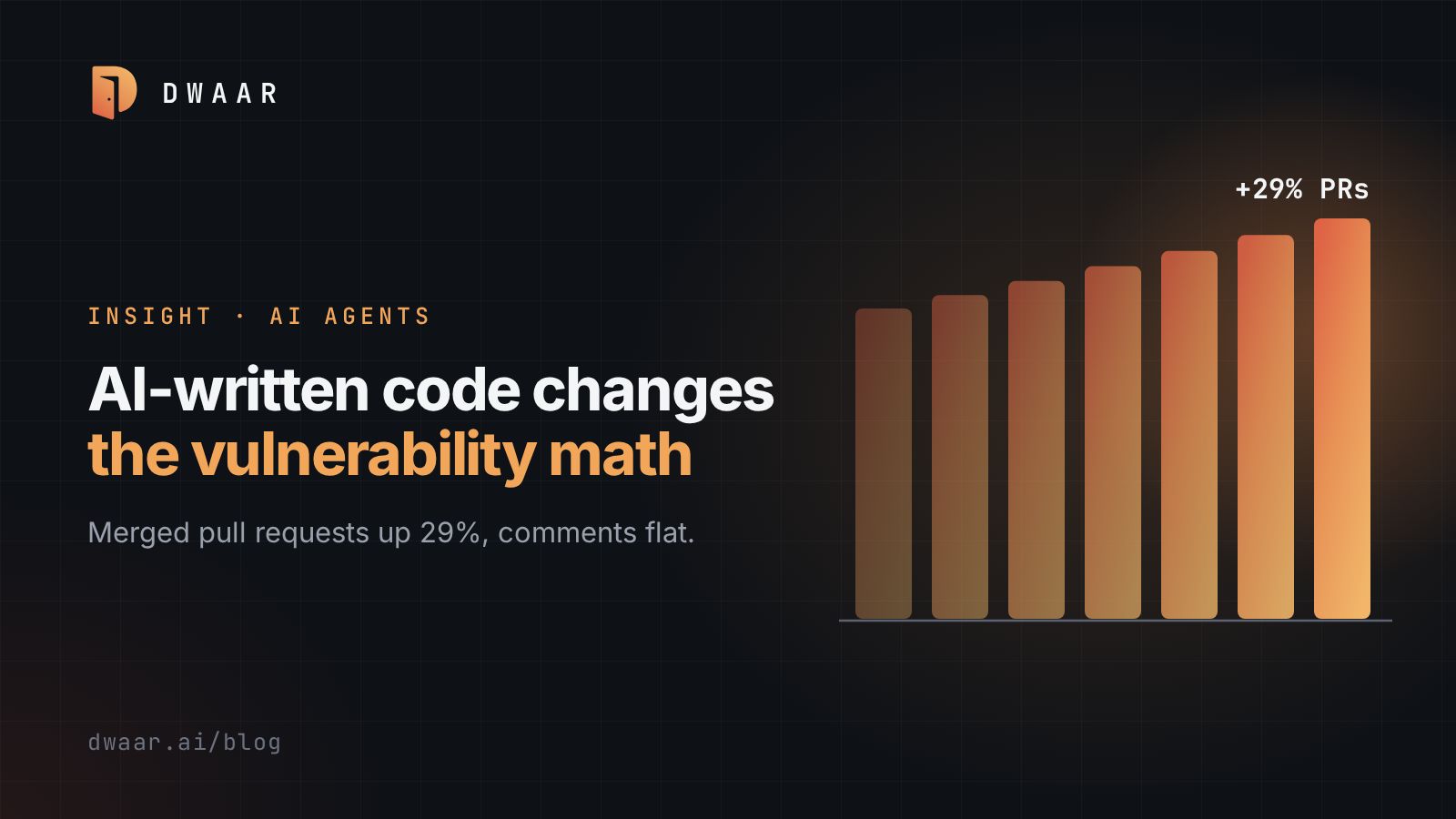
AI-Written Code Changes the Vulnerability Math
Merged pull requests on GitHub rose 29% while issue and PR comments stayed flat, and LLMs invent package names. What that proves, what it does not, and what I would change in the pipeline.
Ankush K · 10 min readJuly 2026
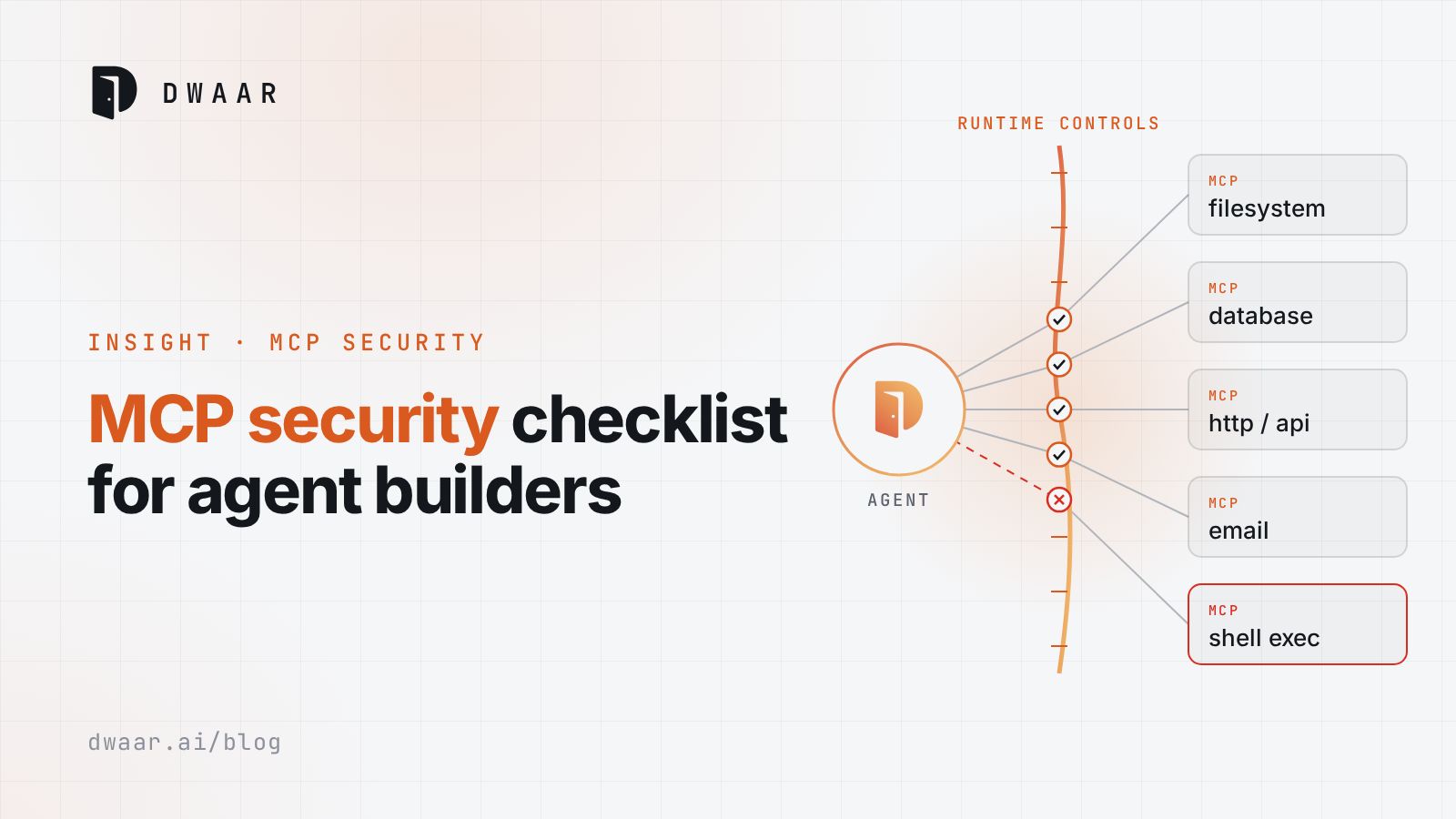
MCP Security Checklist for Agent Builders
A practical checklist for securing MCP-connected AI agents, covering tool access, permissions, third-party servers, runtime controls, and trust boundaries.
Ankush K · 5 min read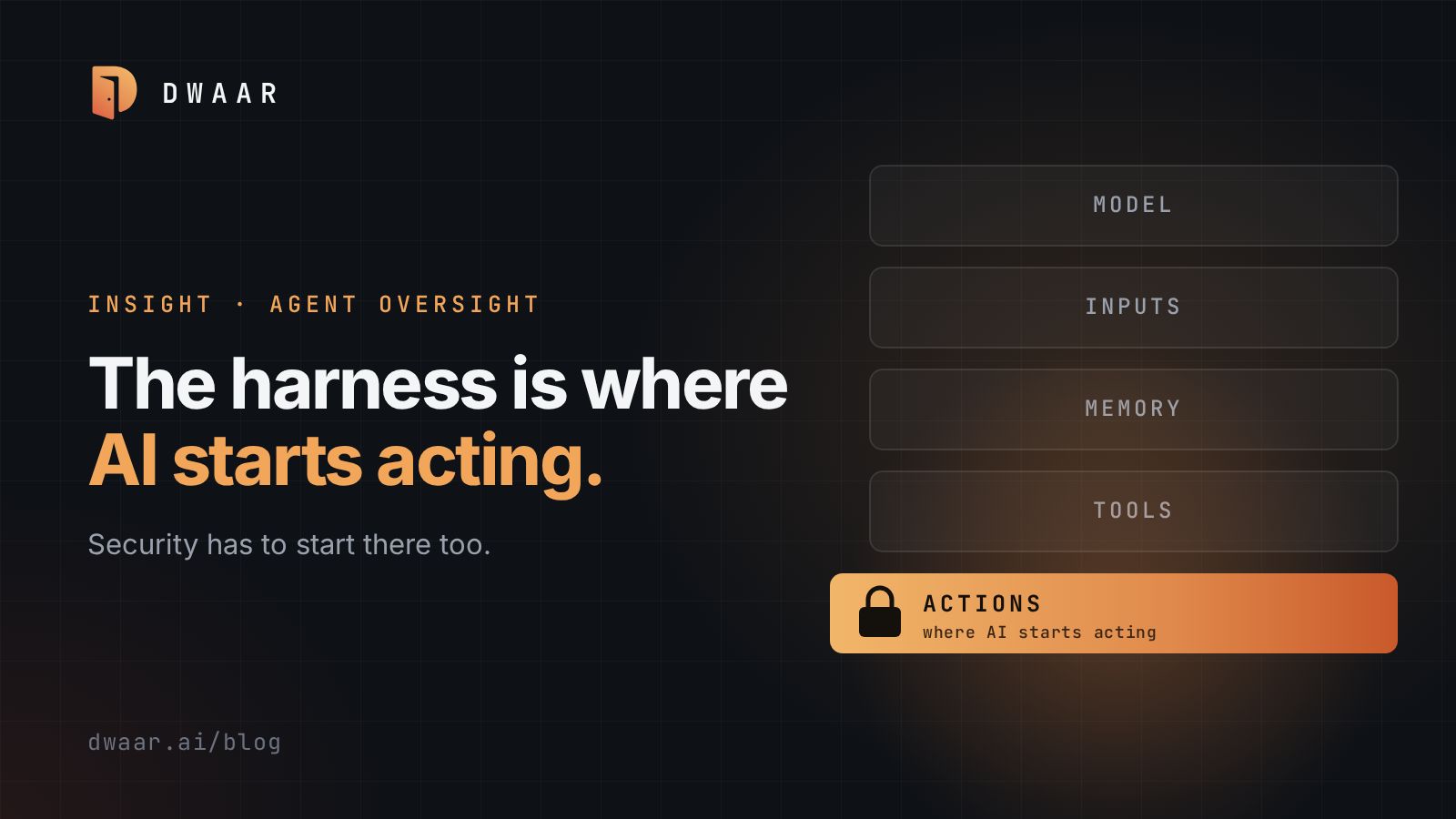
The Agent Harness Is Where AI Starts Acting. Security Has to Start There Too.
AI agent harnesses turn models into operational systems. Learn where agentic trust boundaries fail and how to secure inputs, memory, tools, and actions.
Ankush K · 5 min read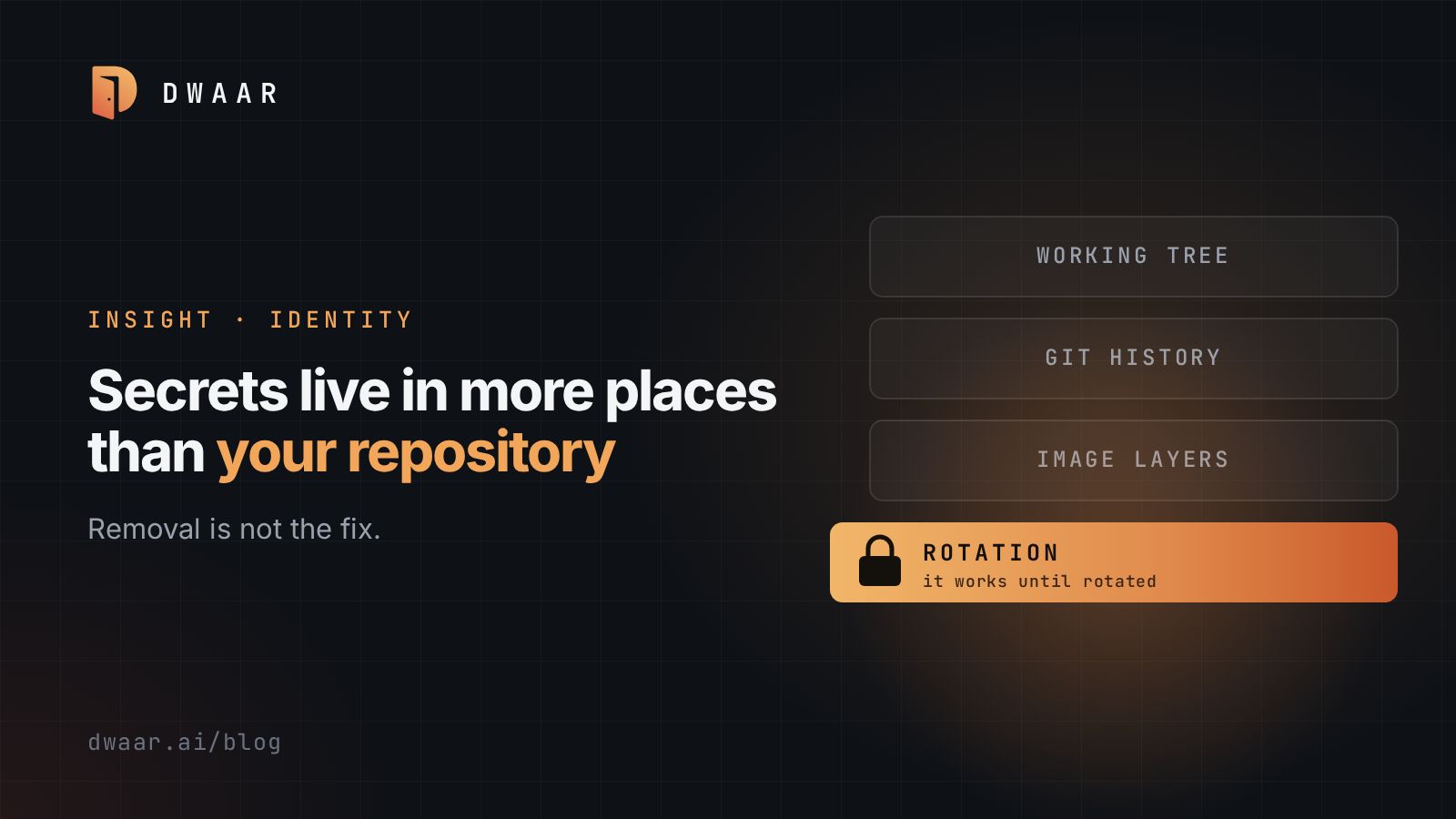
Secrets Live in More Places Than Your Repository
A deleted secret can survive in git history and image layers, and it keeps working until it is rotated. Why removal is not the fix, and how to test your own rotation.
Ankush K · 8 min read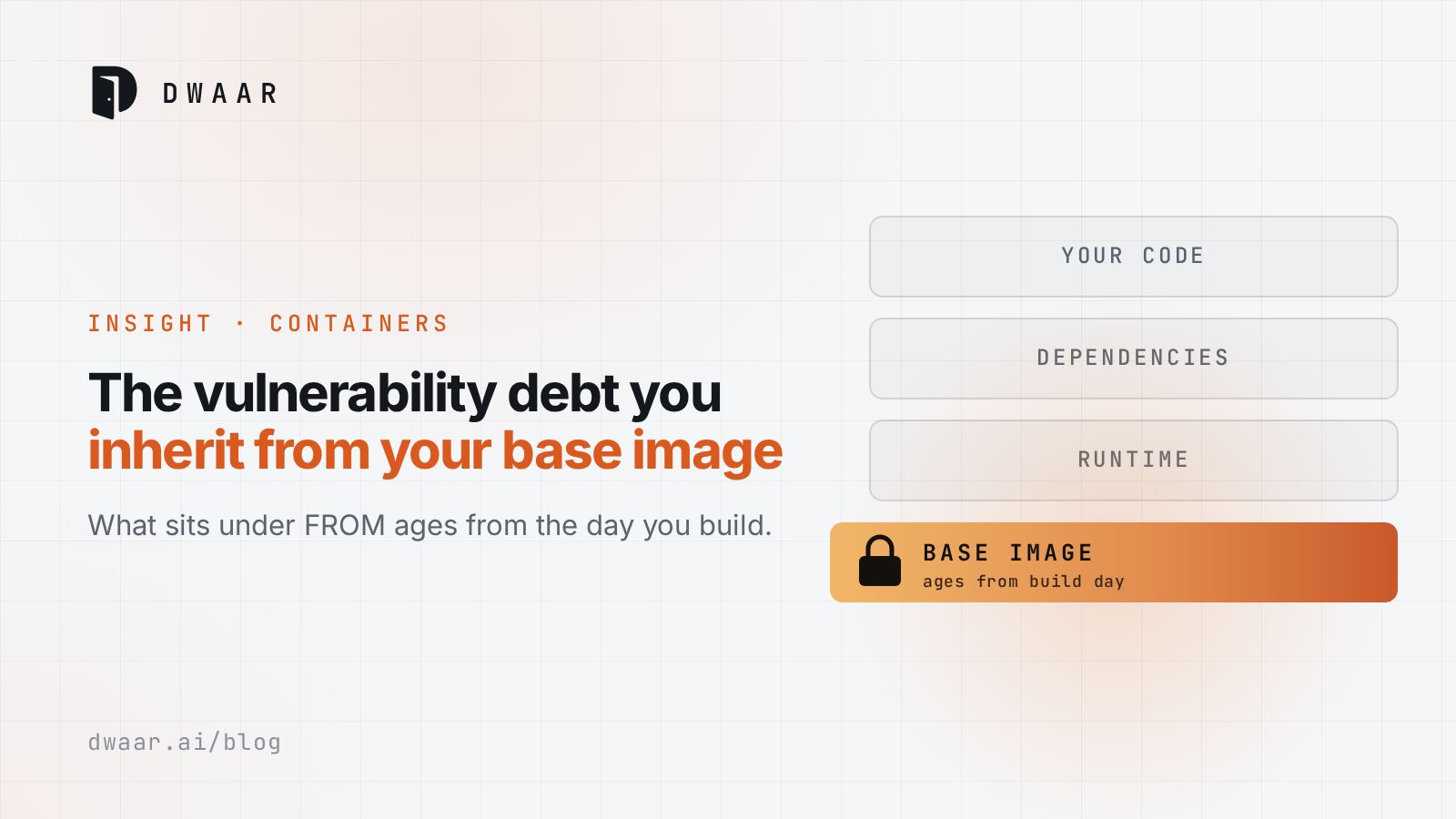
The Vulnerability Debt You Inherit From Your Base Image
An image is a snapshot, so what sits under FROM ages from the day you build it. What studies found about inherited vulnerabilities, and what fewer packages, rebuilds and digest pins each buy.
Ankush K · 8 min readJune 2026
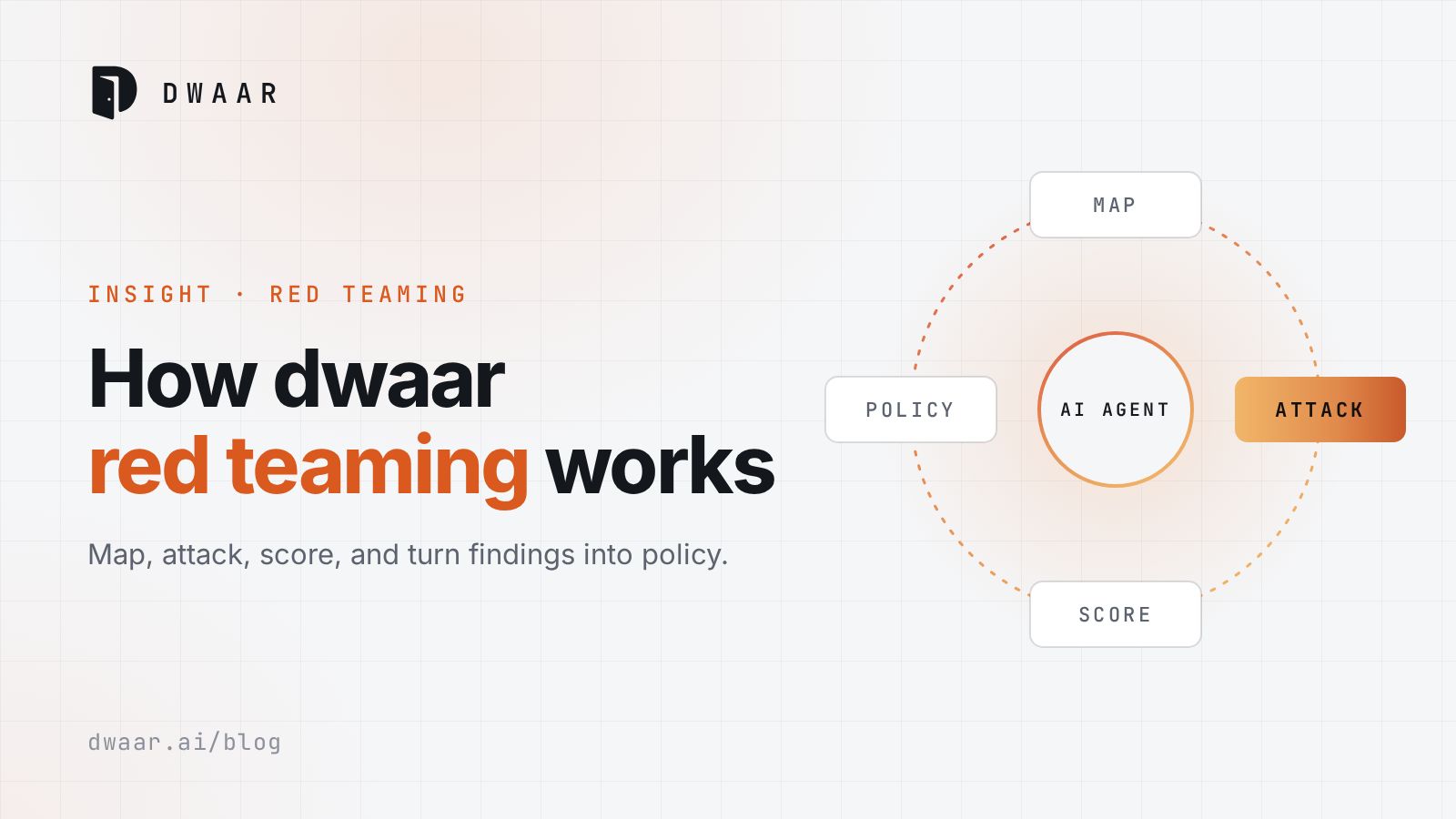
How Does dwaar Red Teaming Work?
dwaar red teaming helps teams test AI agents before deployment by mapping workflows, running adversarial attacks, identifying vulnerabilities, and generating reproducible security findings.
Ankush K · 9 min read
Your CI Pipeline Is Production
CI jobs hold publish tokens, cloud credentials and repository write access. Moved tags, pull_request_target, shared caches and stored secrets have all turned that authority on users.
Ankush K · 9 min read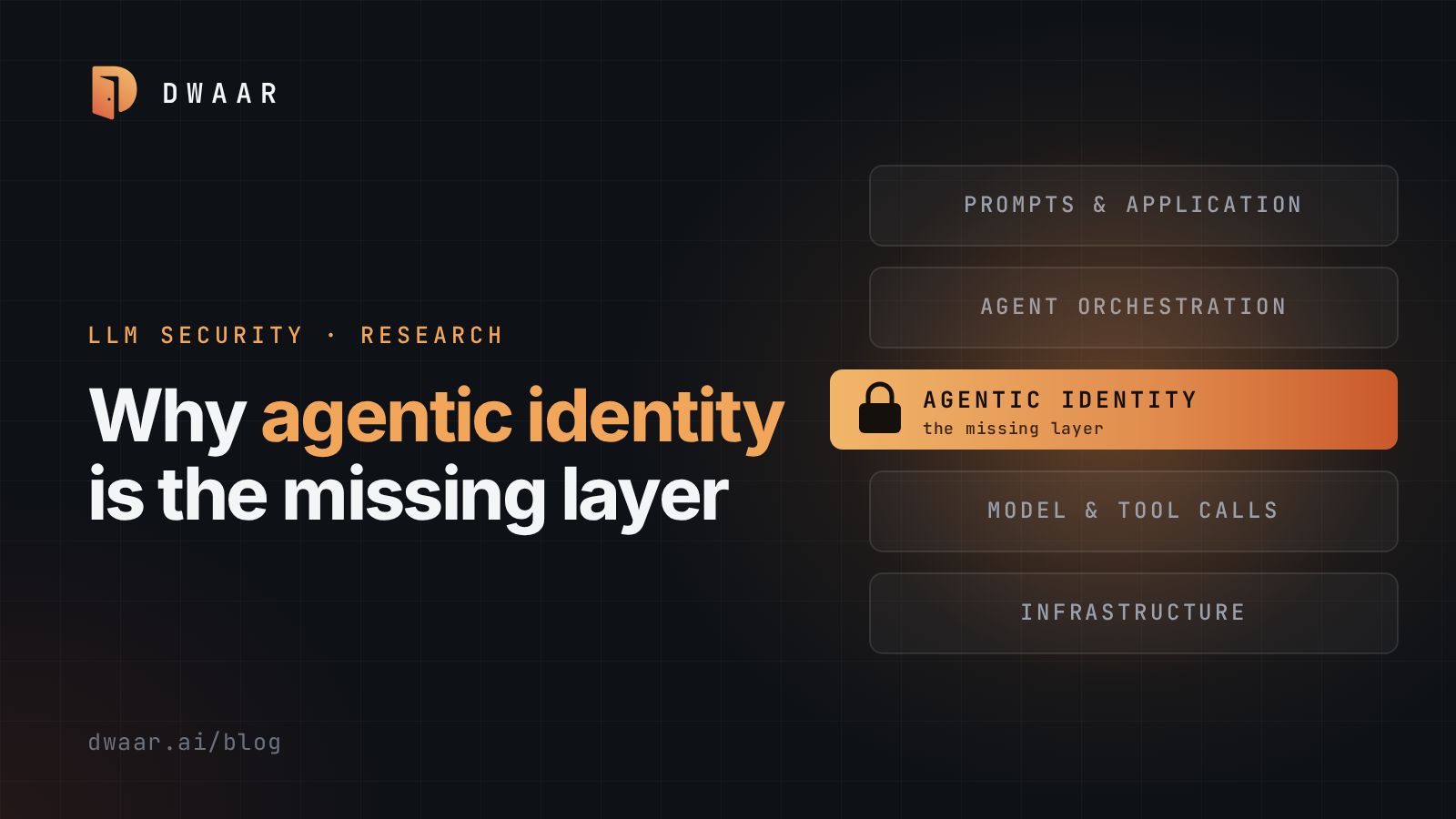
Why Agentic Identity Is the Missing Layer in LLM Security?
For decades, enterprise security has been built around a simple question: who is the user, and what are they allowed to access? Identity and Access Management has solved ...
Ankush K · 6 min read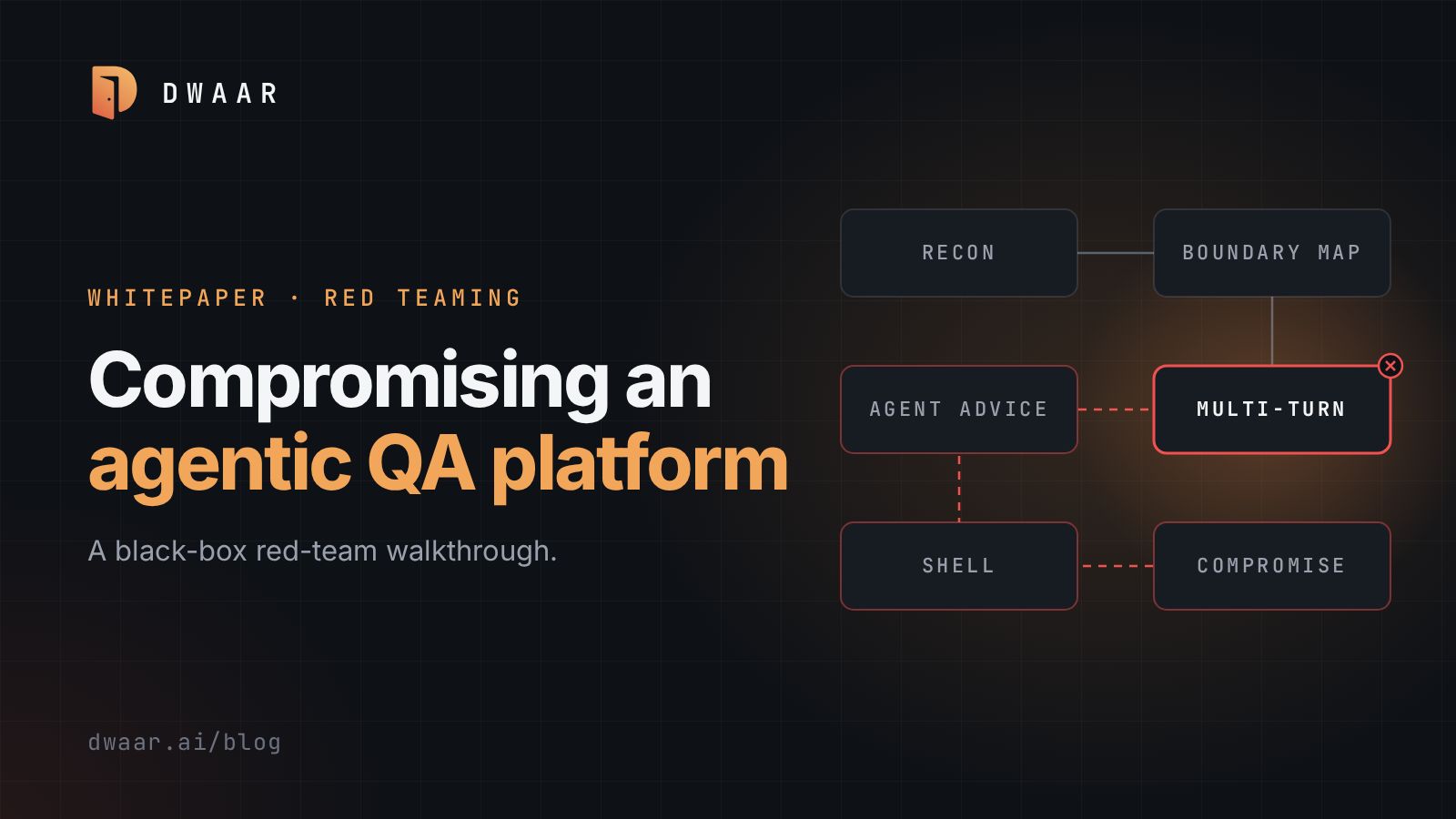
Whitepaper: Compromising an Agentic QA Platform — A Black-Box Red-Team Walkthrough
How dwaar.ai used layered reconnaissance and multi-turn prompt injection to turn an AI test-failure analyzer into a remote-code-execution...
Ankush K · 2 min read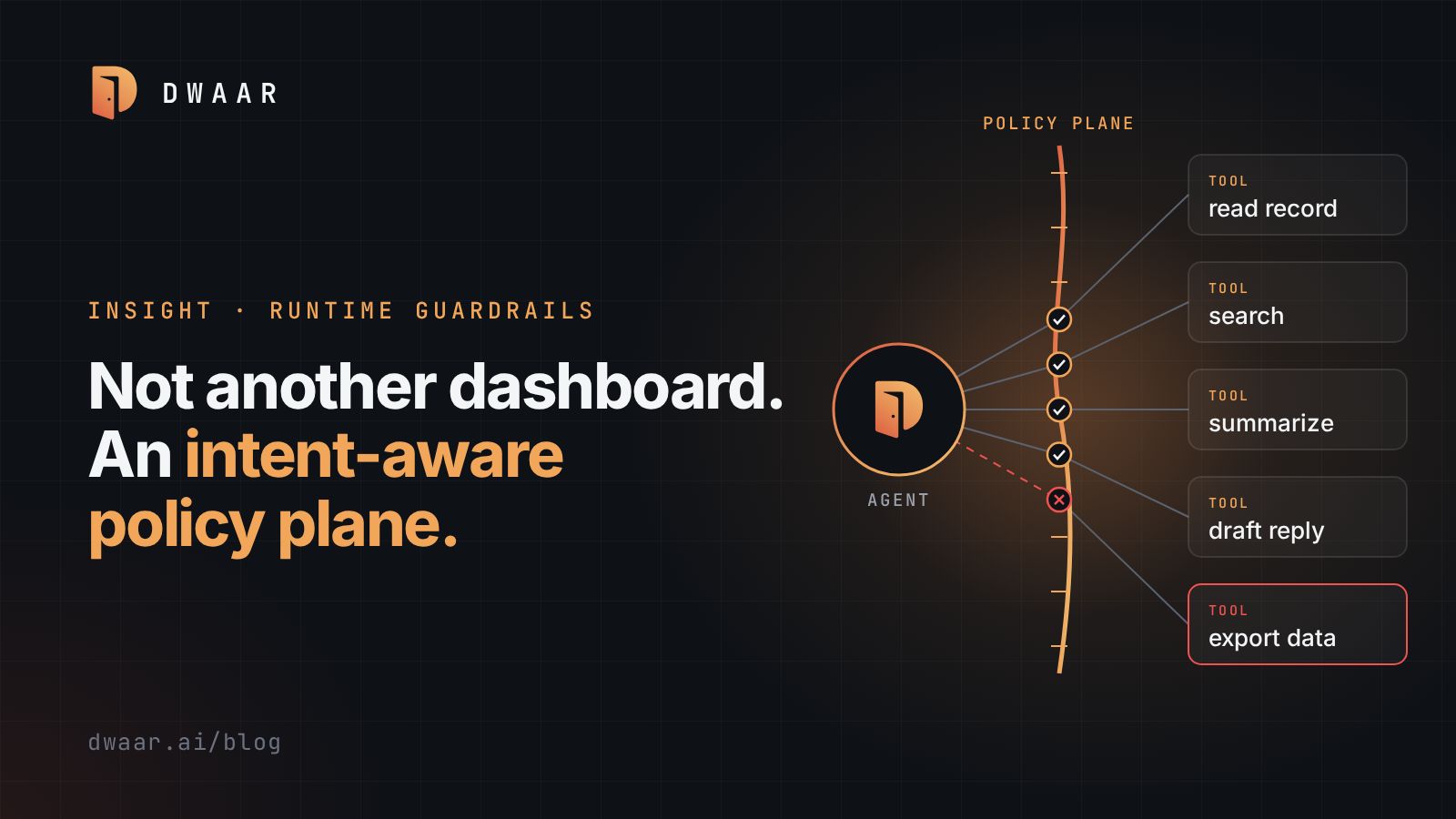
Enterprise AI Doesn’t Need Another Dashboard. It Needs an Intent-Aware Policy Plane
Why Enterprise AI Needs an Intent-Aware Policy Plane? Learn why logs and visibility alone cannot secure enterprise AI—and how adversarial testing, intent-aware policies, and runtime enforcement can keep agents within their authorized boundaries.
 Saurabh · 6 min read
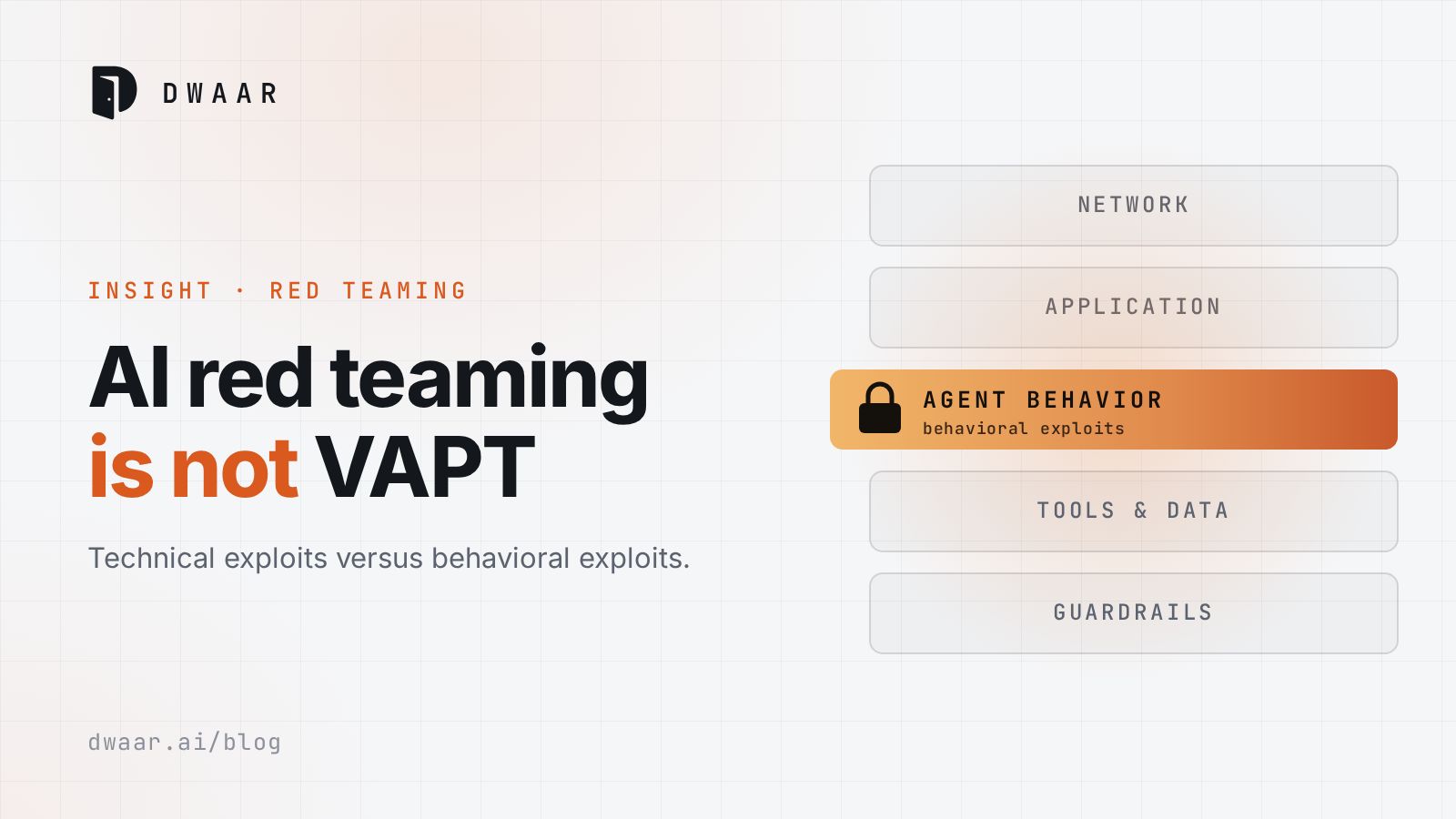
How Is AI Red Teaming Different from VAPT?
AI red teaming and VAPT test different security risks. Learn how AI red teaming goes beyond traditional VAPT to test prompts, context, tools, guardrails, and agent behavior.
Ankush K · 8 min readMay 2026
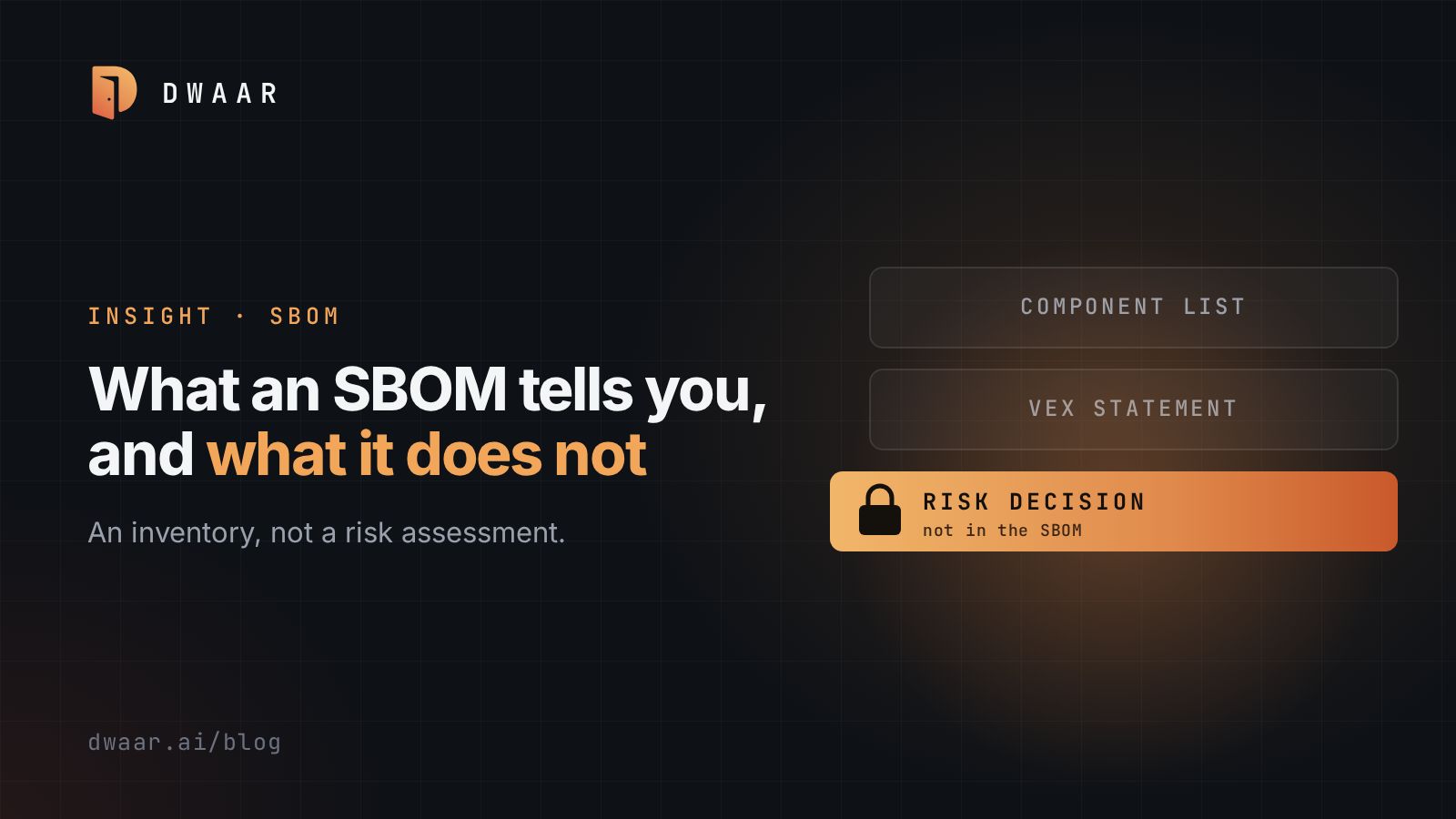
What an SBOM Tells You, and What It Does Not
An SBOM is an inventory, not a risk assessment. What it answers, where generated SBOMs go wrong, what VEX adds, and where each of them stops.
Ankush K · 8 min read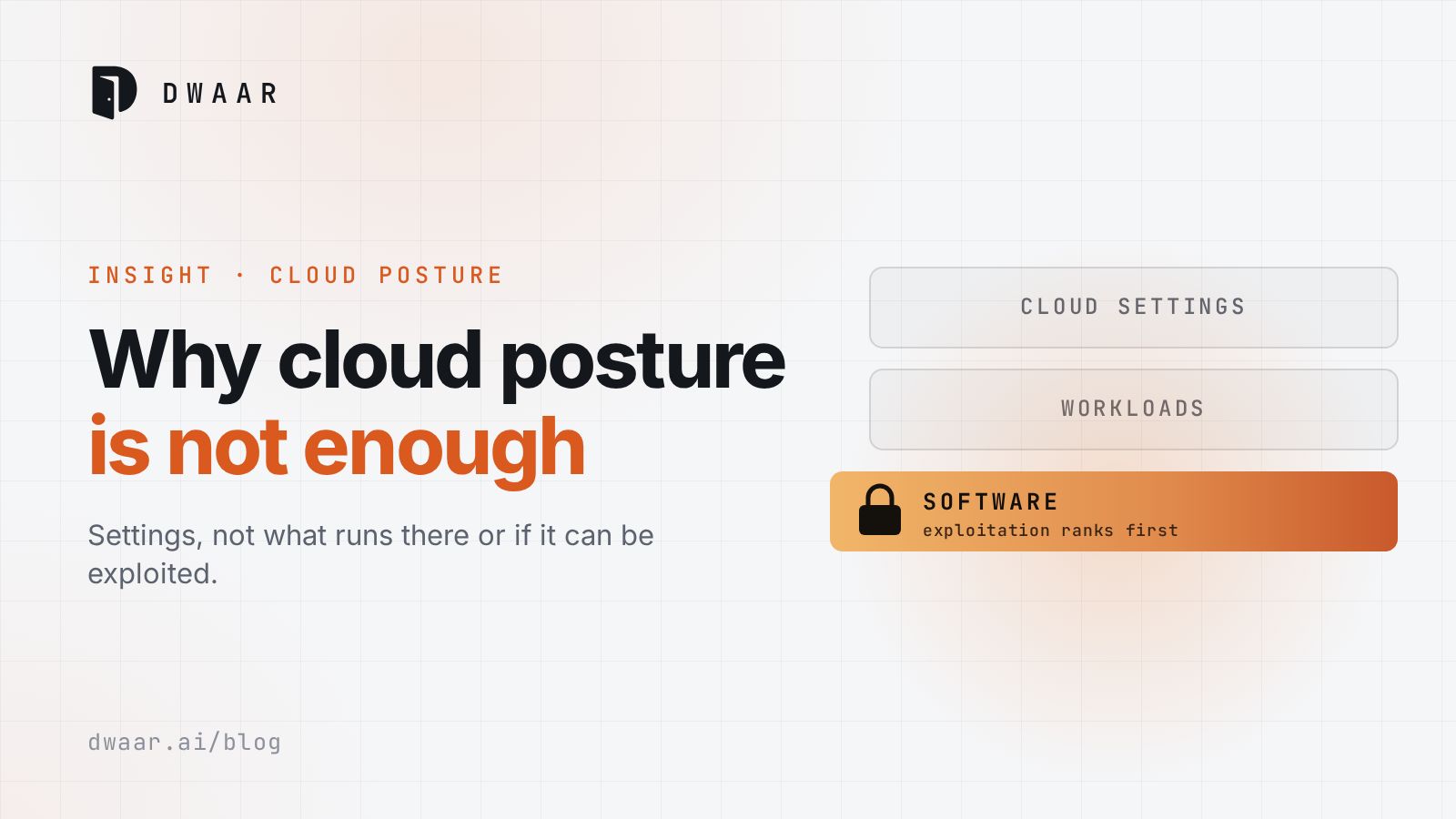
Why Cloud Posture Is Not Enough
Posture checks show which cloud settings are wrong, not what runs there or whether it can be exploited. Google's cloud data and two broader incident reports rank software exploitation first.
Ankush K · 9 min read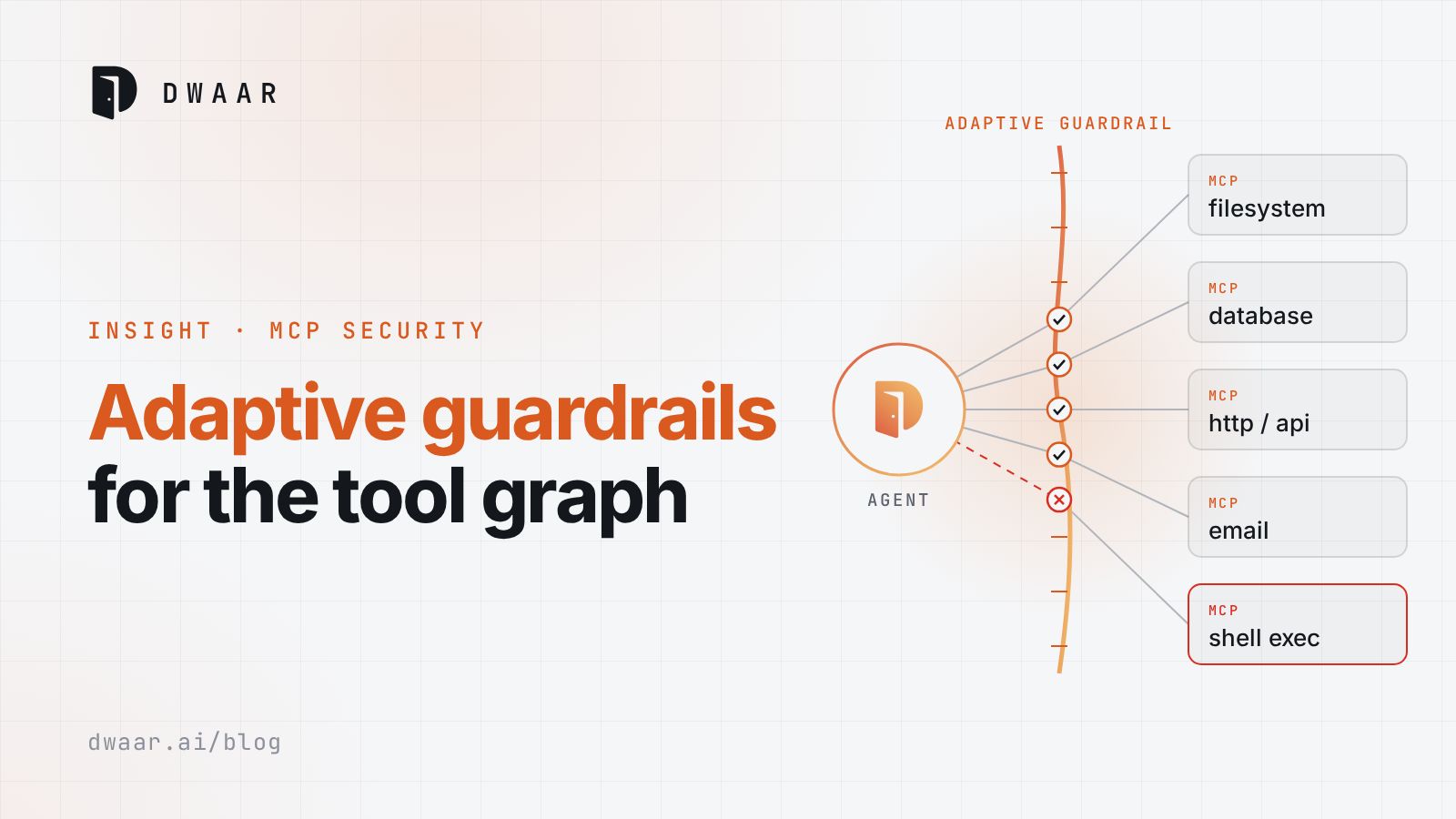
Securing Tool Graph demands adaptive guardrails
The real risk is no longer just that a model may produce an unsafe answer. The bigger risk is that an agent may take an unsafe action — using real tools, permissions, data, and business workflows. That is why the Model Context Protocol...
Ankush K · 6 min read
Why Existing Security Controls Are Not Enough for Agentic Applications
Model guardrails and cloud controls are useful, but agentic applications need prompt-based red teaming, evidence-backed posture reports, and runtime policy enforcement.
Saurabh · 4 min read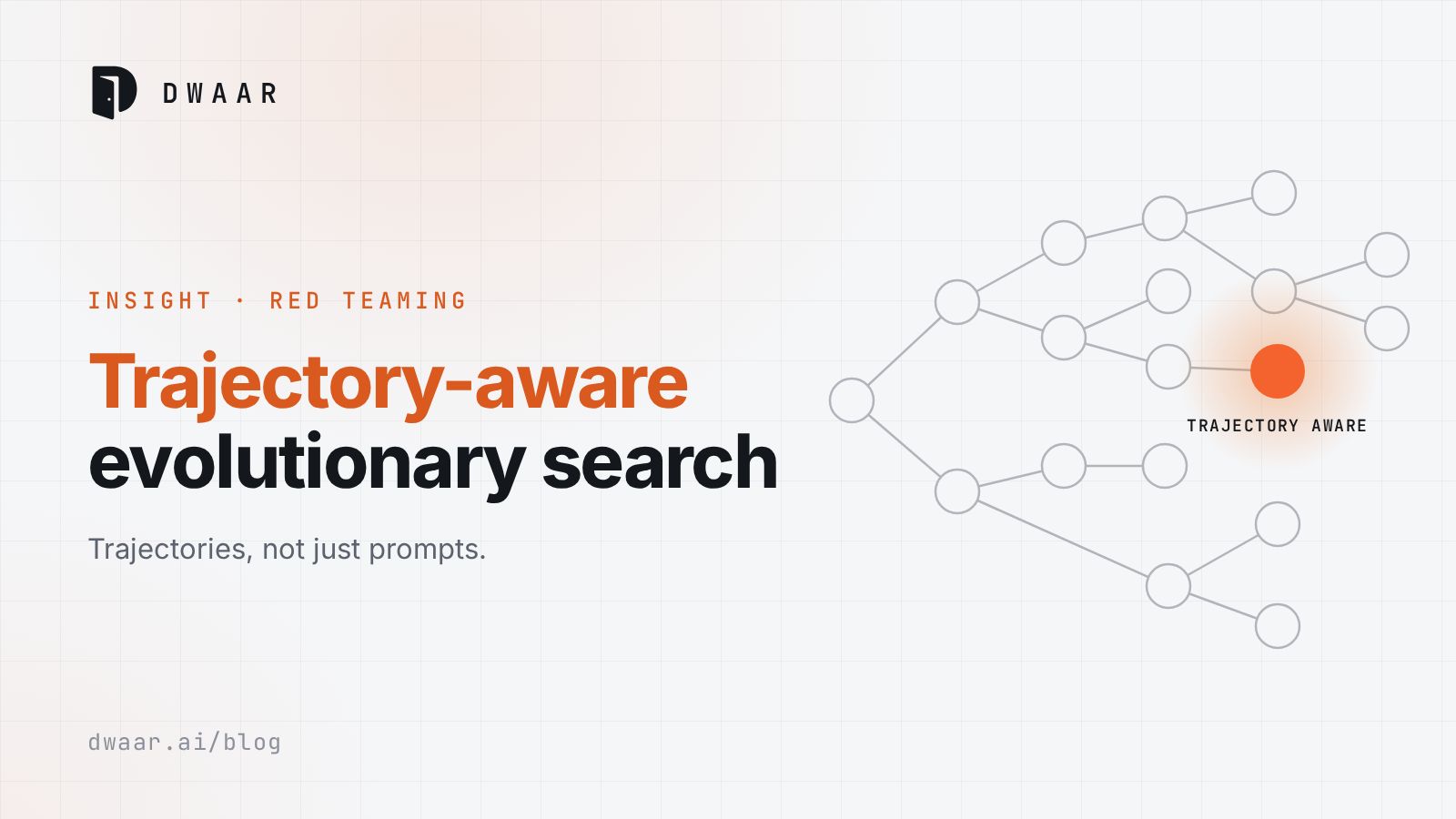
Trajectory-Aware Evolutionary Search
Why the future of AI agent security is about trajectories, not just prompts.
Ankush K · 2 min readApril 2026
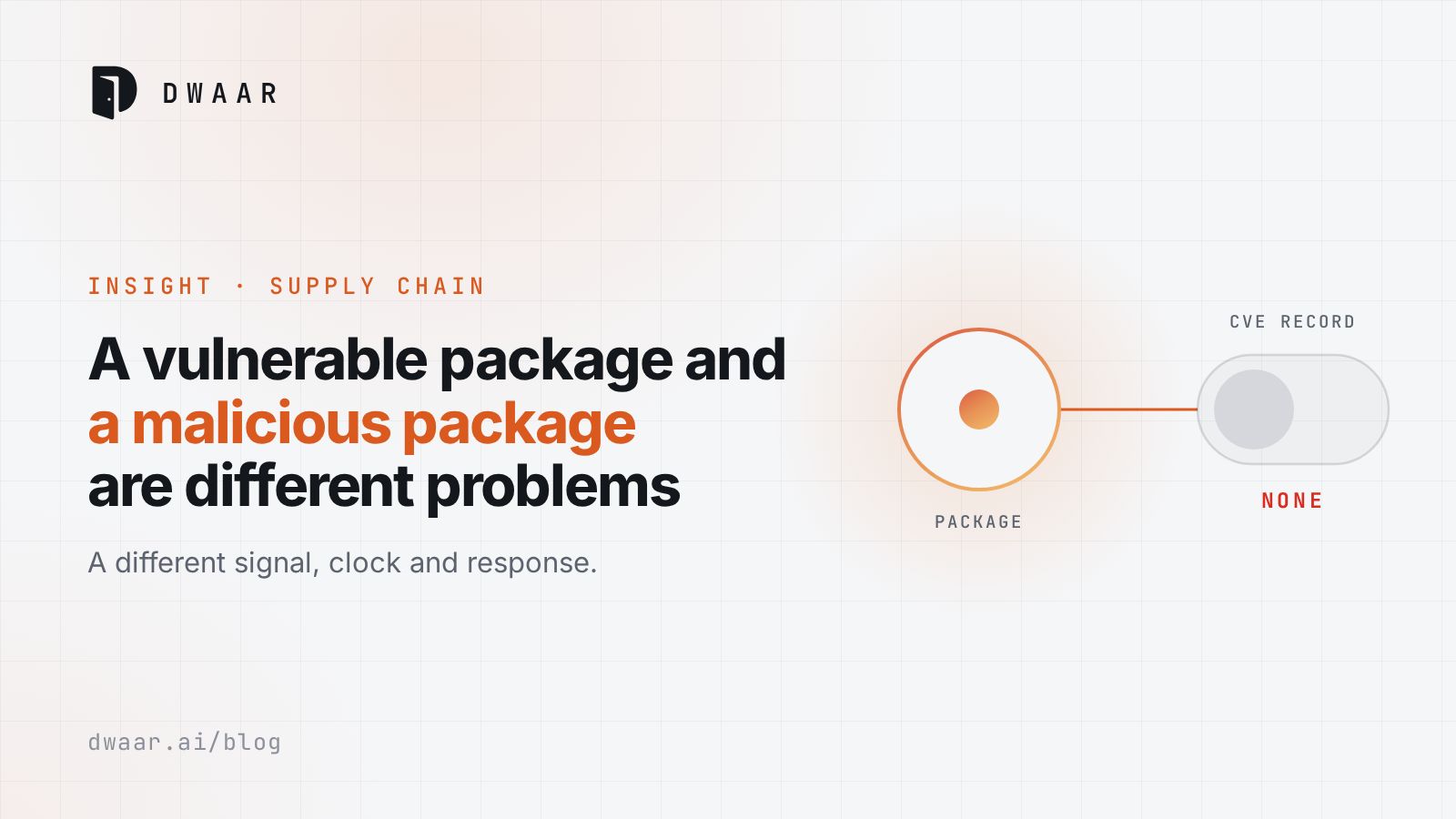
A Vulnerable Package and a Malicious Package Are Different Problems
The OSV and GitHub records for the poisoned axios and LiteLLM releases list no CVE. Malicious packages need a different signal, clock and response from vulnerable ones.
Ankush K · 9 min read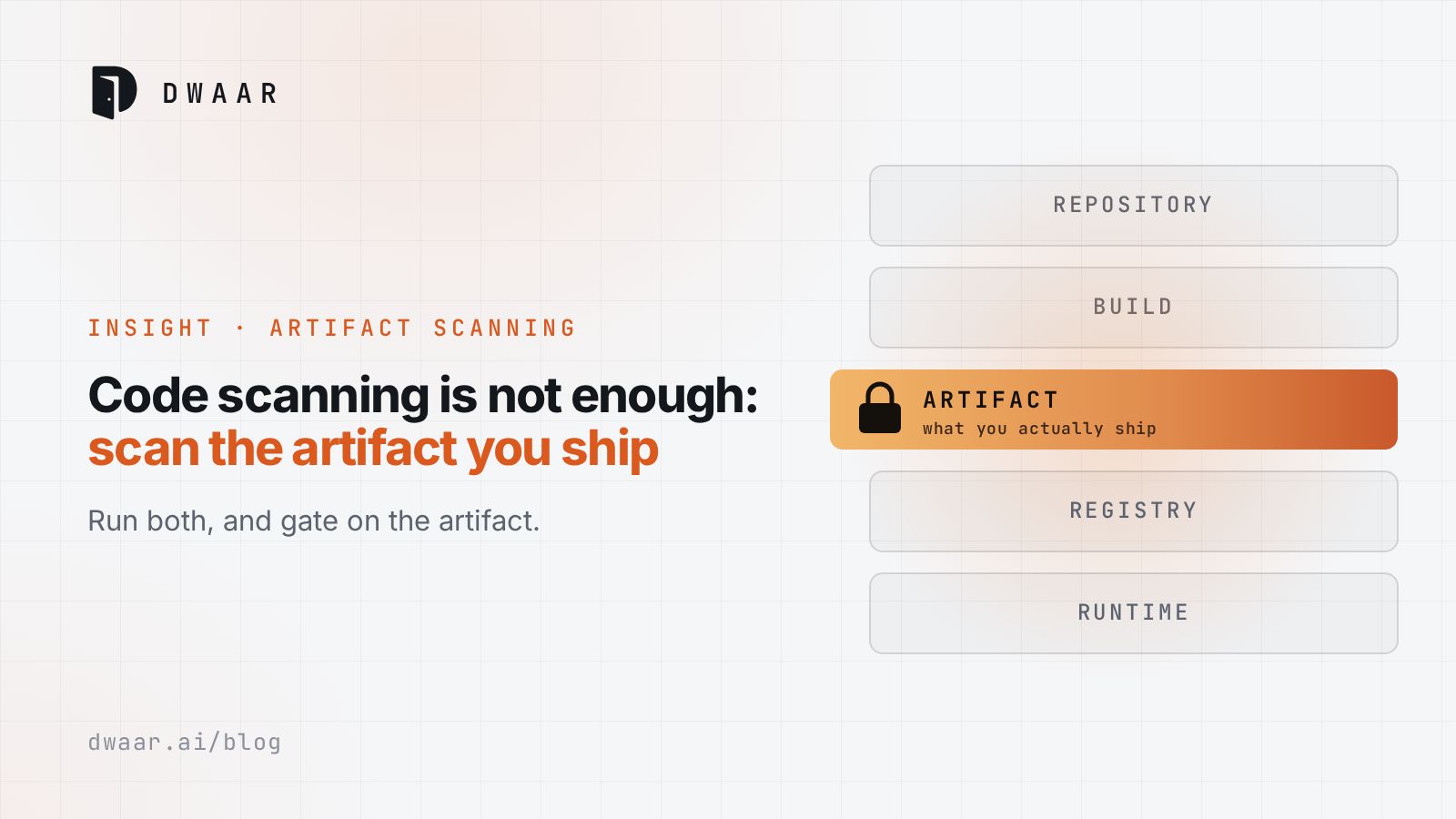
Code Scanning Is Not Enough: Scan the Artifact You Ship
Repository scans miss base image packages, build-time downloads, bundled binaries and secrets in layers. Artifact scans have their own blind spots, so run both and gate on the artifact.
Ankush K · 8 min read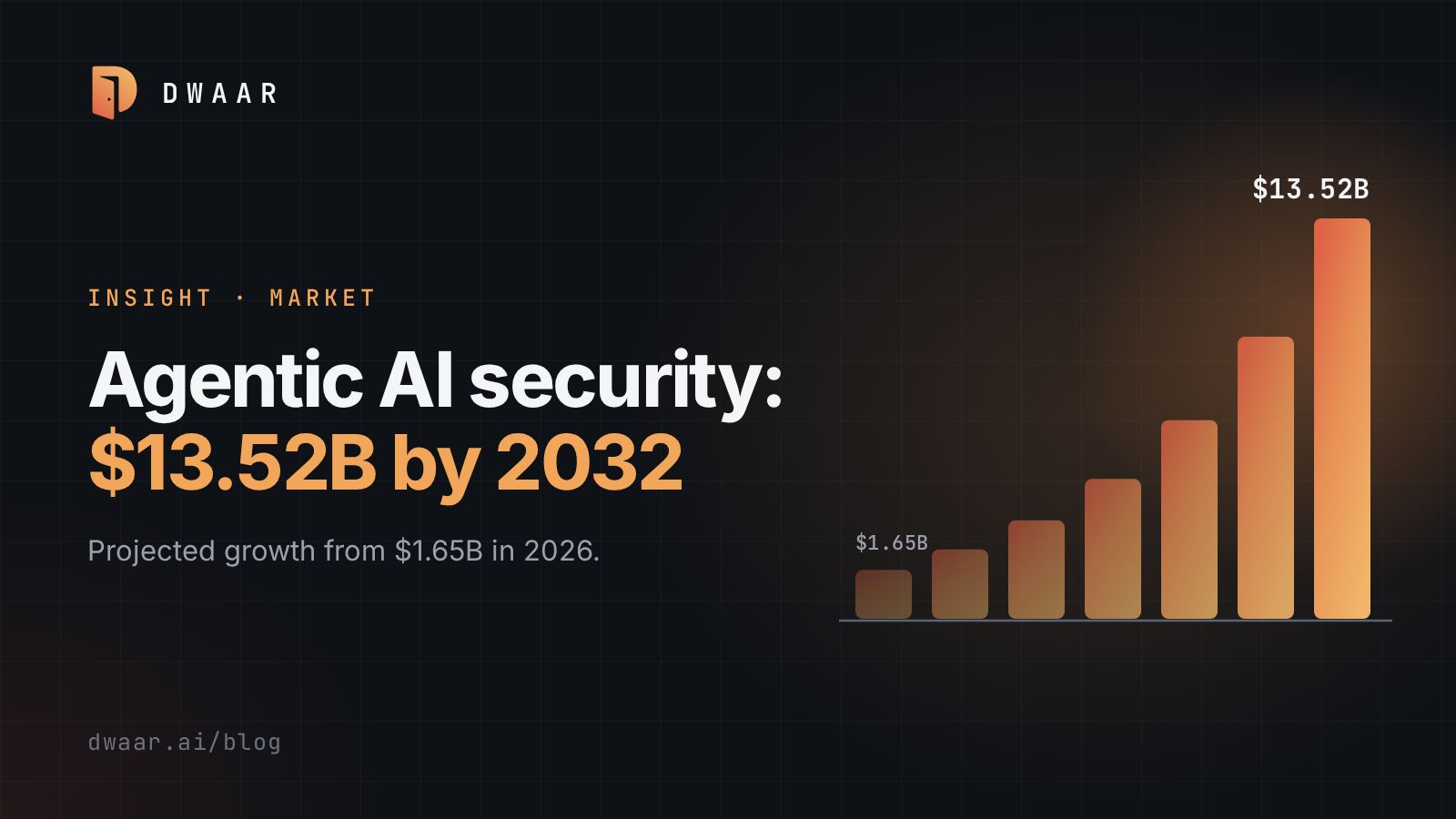
Agentic AI Security Market Worth $13.52 Billion by 2032
The Agentic AI Security market is projected to grow from $1.65B in 2026 to $13.52B by 2032.
Ankush K · 2 min read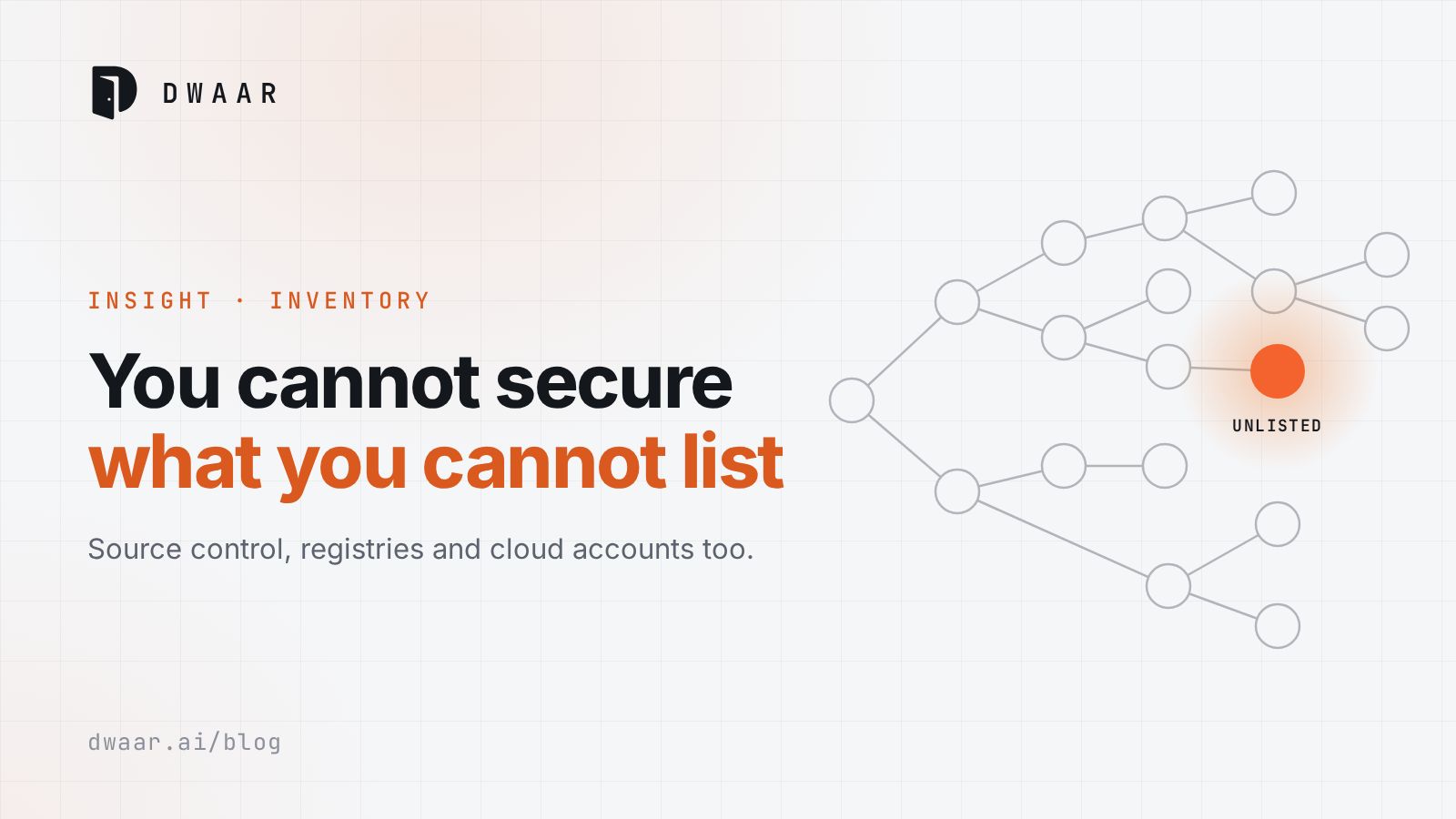
You Cannot Secure What You Cannot List
CISA's BOD 23-01 has agencies run automated discovery every 7 days and scan what it finds. The case for applying that logic to source control, registries and cloud accounts, and where it stops.
Ankush K · 9 min readMarch 2026
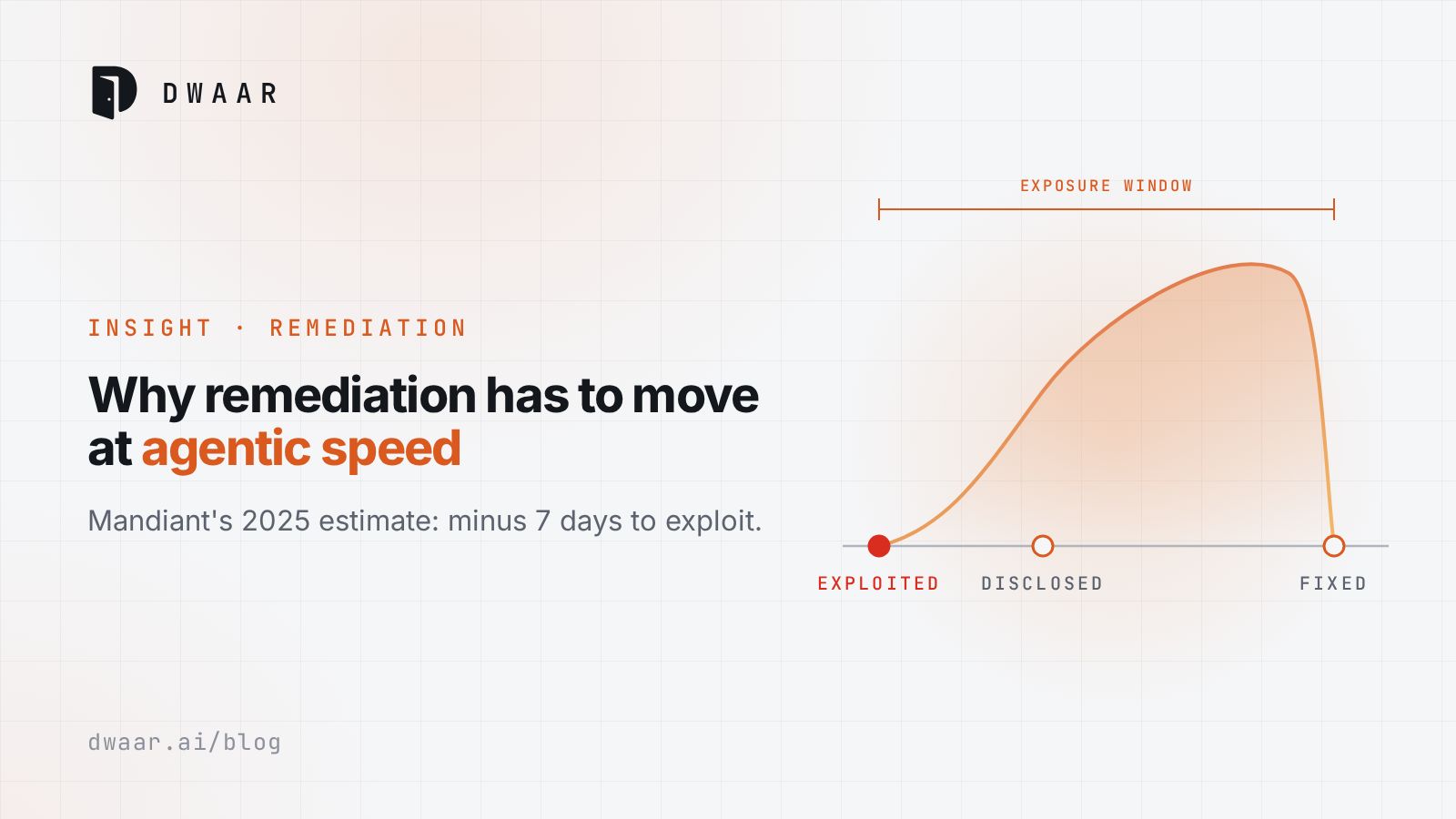
Why Remediation Has to Move at Agentic Speed
Mandiant estimates mean time to exploit at minus 7 days, while edge-device fixes reportedly take a median 32 days. Which patching steps agents can take over, and which stay with a human.
Ankush K · 8 min read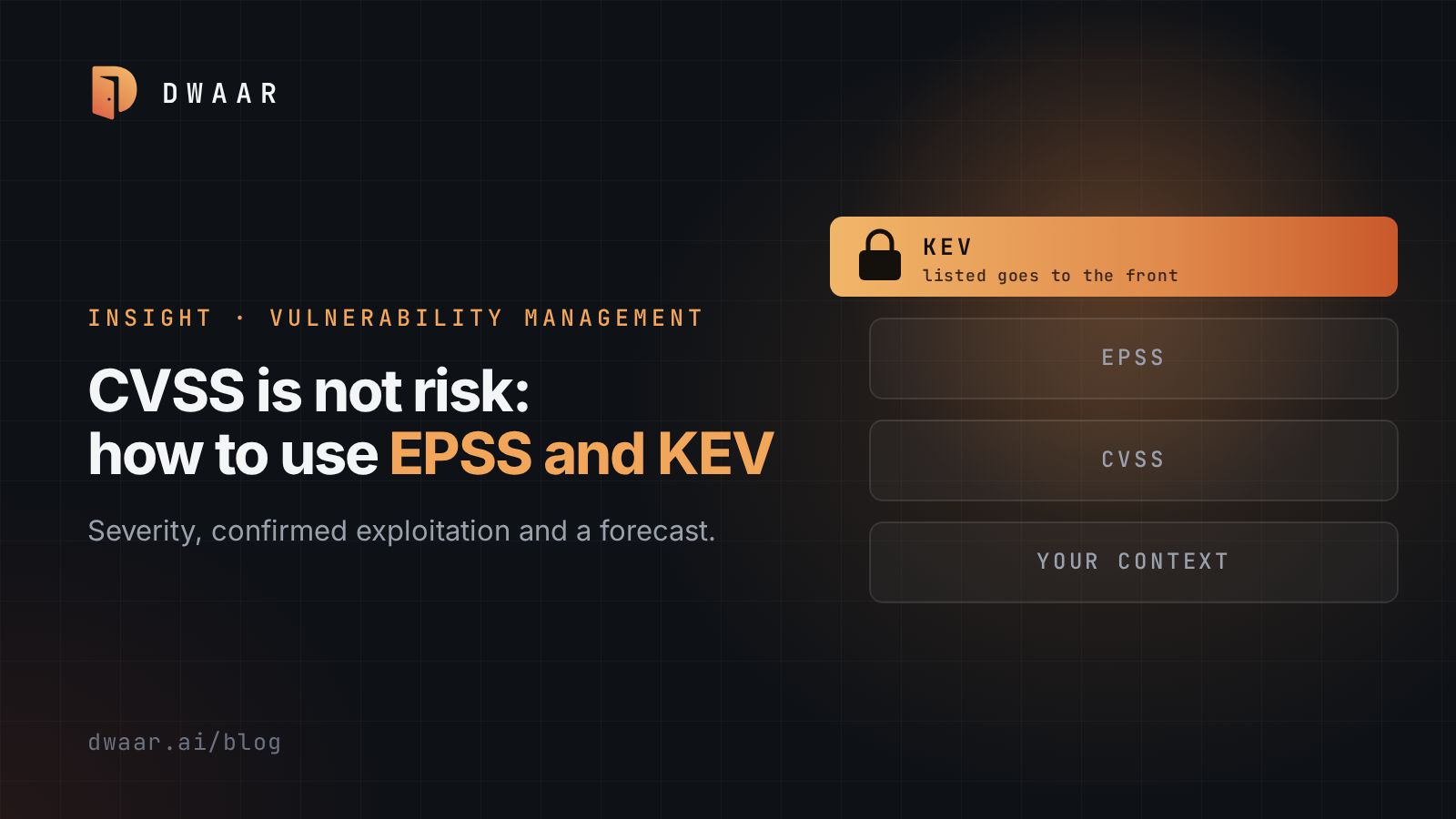
CVSS Is Not Risk: How to Use EPSS and KEV
CVSS Base measures severity, KEV records confirmed exploitation and EPSS forecasts it. How to combine the three into a queue, and where all of them stop.
Ankush K · 8 min read
Why Scanning Alone Is Not a Security Program
A scan report is a list, not a decision. Using NIST guidance, Verizon's 2025 DBIR and the Equifax record, this post lays out what has to sit between the two.
Ankush K · 8 min read